rki.news
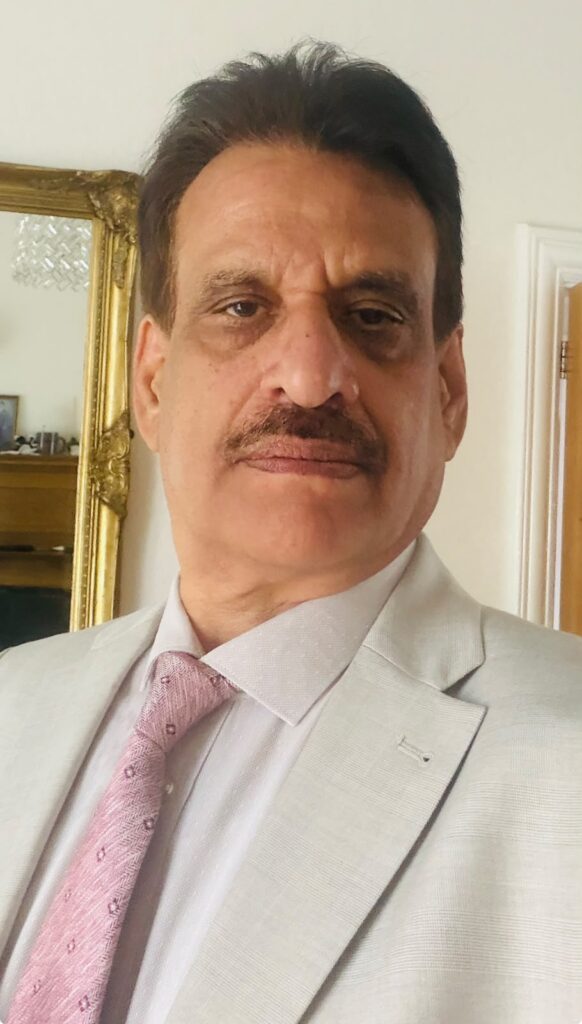
By Sabir Mirza (United Kingdom)
Where is the diaspora’s hard-earned money going? Celebrity fees, a £350,000 earthquake fund with no audit, and shrines that build mansions, not hospitals.
Introduction
In London, Birmingham, Bradford and across Europe, America and every corner of the world where Pakistani and Kashmiri expatriates live, charity dinners in five-star hotels and grand banquet halls have become a weekly fixture. Many overseas Pakistanis and Kashmiris give generously, out of love for their homeland and a sincere wish to help the poor. But a growing number now ask a hard question: does the money reach those it is meant for, or has charity become an organised business?
This report looks at three connected concerns: the culture of lavish charity events abroad, the lack of public accounting for the funds raised after the October 2005 earthquake, and the commercial exploitation of faith through some Pir Khanas and shrines at home. It ends with practical recommendations for governments, charity regulators and donors.
- The charity dinner as a business
A typical fundraising evening follows a pattern. Guests are seated in a decorated hall, served a lavish meal, and shown emotional videos of poverty on large screens. Appeals are then made, and guests are encouraged, often in front of their friends and community, to pledge large sums. Many donors feel pressure to give more than they planned.
The concern is not that people give. It is that the event itself can become the main product, with the cause an afterthought. Frequent appeals of this kind also shape how the world sees us. Repeated images of begging and need, shown in the name of our nation, risk reducing a proud people to a “nation of beggars” in the eyes of others.
- Celebrity fees and the showbiz culture
The most troubling feature, according to many donors, is the showbiz culture behind the scenes. Famous Pakistani TV and stage actors, singers and qawwals are invited to these events. It is widely said in the community that such guests are paid substantial appearance fees, flown in and accommodated in five-star hotels, with the cost met from the money raised.
The question is simple and fair: what justification is there for spending funds raised for orphans and the destitute on the comfort of celebrities? Donors have a right to know how much of each pound raised goes to the cause and how much goes to the event, travel, hotels and performers.
- The 2005 earthquake funds: twenty years without accounts
The devastating earthquake of October 2005 moved the diaspora to extraordinary generosity. The author personally joined friends and relatives in Birmingham to raise approximately £350,000. The money was collected in front of the author by his friends, and he personally donated £10,000 of it himself. The whole amount was then handed over in good faith to the Government of Azad Kashmir.
More than two decades later, the author has seen no audit, no published accounts and no clear record of where the money went. Many ordinary earthquake victims say they received little more than tents and a few bags of ration. Across the community there is a widespread belief that a large part of the relief funds did not reach the victims, and that some powerful circles benefited. These are serious allegations, and they can only be proved or disproved by an independent audit. That is exactly why one is needed, and why its absence for so long has damaged trust.
The lesson is clear: donors gave money in trust, and trust requires accountability. Every government and every charity that receives public donations should publish accounts showing what was received and what was spent.
- Pir Khanas and commercial shrines
At home, in neighbourhoods and villages across Pakistan and Azad Kashmir, what critics describe as a parallel market has grown in the name of faith. Some self-styled Pir Khanas and commercial shrines are reported to collect money from poor labourers and overseas devotees through annual Urs gatherings, “special prayers” and offerings.
The complaint is that this wealth is rarely seen in public benefit. Critics ask why such gatherings have not built a single school or hospital, while the custodians (Gaddi Nashins) are said to live in grand houses and travel in expensive, even armoured, vehicles. Poor families, often desperate for health, work or marriage, are the most vulnerable to this kind of exploitation. True faith serves people. It should not drain them.
- Institutions that are doing it right
The picture is not entirely dark. A number of credible institutions are serving humanity with visible results:
- Shaukat Khanum: quality cancer care, with free treatment for many patients.
- Edhi: ambulances, shelters and emergency services across the country.
- Akhuwat: interest-free loans that help families start small businesses and earn a living.
- Alkhidmat: relief work, health and education services.
- Indus Hospital: free, high-quality healthcare.
These organisations show what real charity looks like: transparent, focused on skills, health and education, and aimed at making people independent rather than permanently dependent.
- Recommendations
- Mandatory audits. The Government of Pakistan, the Azad Kashmir administration and the Charity Commissions in the UK and other Western countries should require regular, public, independent audits of charities, trusts and shrines that collect donations.
- A cap on celebrity fees. Charity events should publish what they spend on venues, performers, travel and hotels, and fees paid to celebrities out of donated money should be limited or banned.
- An inquiry into the 2005 funds. An independent, public accounting of the earthquake relief funds raised from the diaspora should be carried out.
- Public accounts for shrines. Shrines and Pir Khanas that collect large sums should be registered and required to show how their income is used for the public good.
- Wiser giving by donors. Overseas Pakistanis and Kashmiris should ask questions before they give: Is the organisation registered? Does it publish accounts? What share goes to the cause? They should prefer institutions that provide skills, healthcare and a dignified livelihood.
Conclusion
The diaspora’s generosity is one of the nation’s greatest strengths, and it deserves to be respected, not exploited. Instead of spending hard-earned money on five-star dinners, celebrity luxuries or unverified spiritual healers, donors should give only to transparent institutions that empower the poor. Real charity does not hand people a begging bowl. It gives them skills, health and the dignity to stand on their own feet.
Note for editor: statements about celebrity fees, the use of the 2005 funds and the wealth of shrine custodians reflect widely held community concerns and the author’s own experience. Where possible, add a source or a documented example before publication.
Disclaimer: This report is a general analysis and opinion piece written by the author, based on his personal experience and on concerns widely expressed in the community. It is not a statement of proven fact against any named person, organisation, institution or shrine, and no individual or body is accused of any specific wrongdoing. The views expressed are the author’s own. The publisher and editors do not endorse them and accept no responsibility or liability for the contents of this report or for any action taken in reliance on it.