rki.news | Sources Anadolu
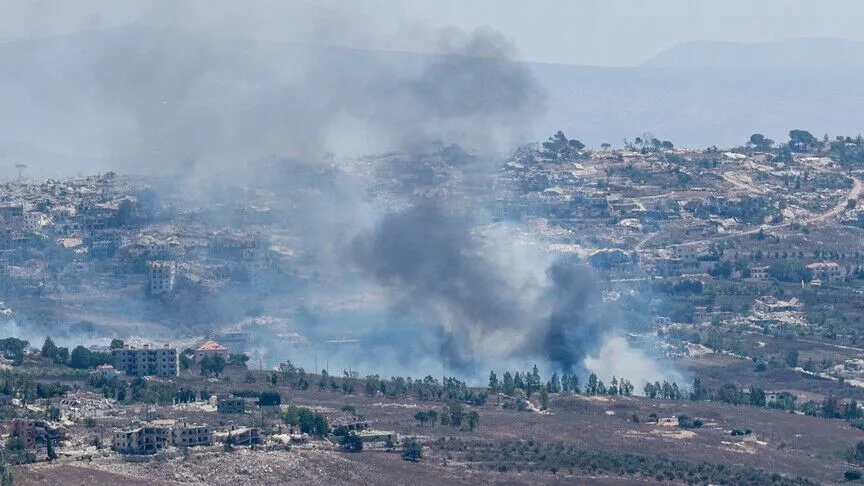
BEIRUT – Continued Israeli attacks and military activity in southern Lebanon are still affecting civilians, preventing people from returning home or causing localized displacement.
Responding to an Anadolu question about displacement despite a ceasefire, UNHCR spokesperson Babar Baloch said Israeli strikes and military activity could hinder returns or trigger localized displacement.
As of mid-August, more than 350,000 people remain displaced across Lebanon, while 860,000 have returned to their communities of origin or nearby areas. However, many face significant challenges, and these should not be considered durable returns, Baloch said.
He added that 23,000 people remain in collective shelters.
“UNHCR continues to monitor displacement trends closely,” Baloch said, adding that the agency and its partners remain committed to supporting displaced populations, returnees and host communities affected by the situation.
The Israeli army launched airstrikes on Lebanon on March 2 and occupied towns in the country’s south.
The Lebanese government said displacement during the escalation had exceeded 1 million.
A ceasefire between Lebanon and Israel took effect on April 17 and was extended several times. However, the Israeli army has continued attacks despite the truce.
Israeli Attacks Continue Affecting Civilians in Southern Lebanon