rki.news | Sources Katara
Discussing the Center’s Program Development and Enhancing Its Role in Supporting the Diplomatic Network the Advisory Council of Katara Public Diplomacy Center Holds Its First Meeting
Prof. Dr. Al-Sulaiti: The Center Is a Supporting Pillar for the Network and Its Journey
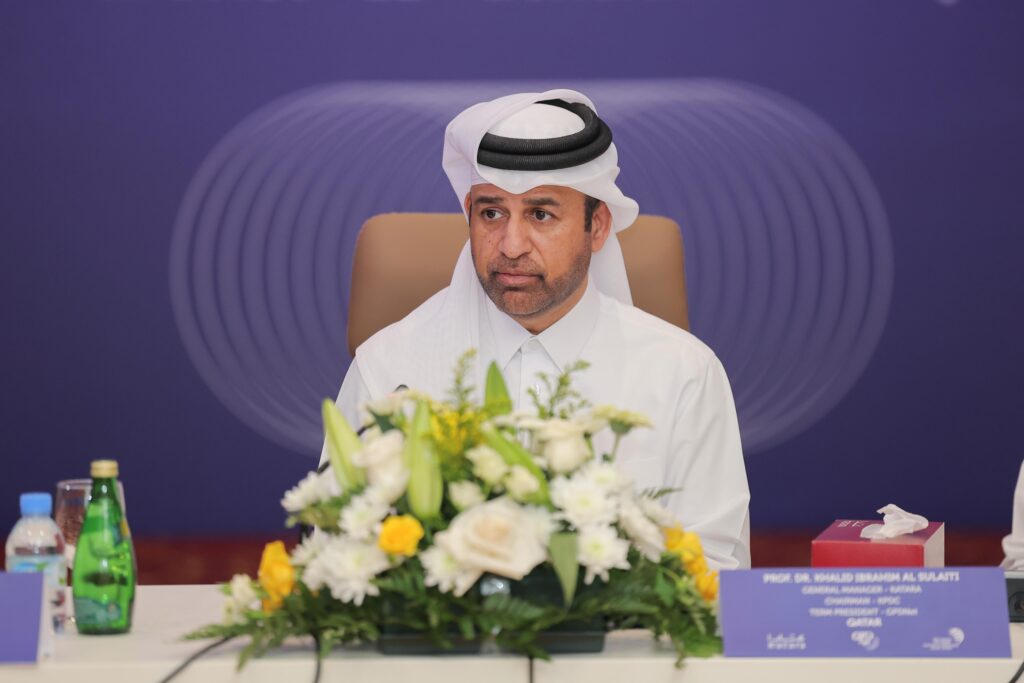
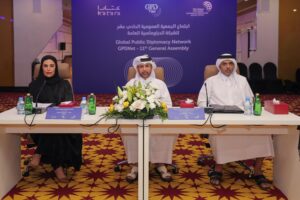
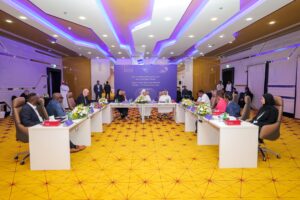
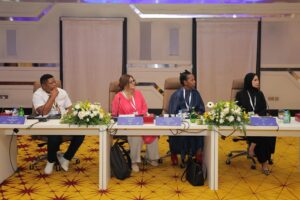
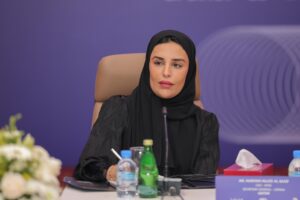
Doha – Katara: The Advisory Council of Katara Public Diplomacy Center held its first meeting today (Tuesday) in Hall 15 at Katara, chaired by H.E. Prof. Dr. Khalid bin Ibrahim Al-Sulaiti, General Manager of the Cultural Village Foundation (Katara) and President of the Global Public Diplomacy Network (GPDNet). The meeting was attended by Mr. Saif Saad Al-Dosari, Deputy General Manager and Human Resources Director at Katara, and Ms. Maryam Majid Al-Saad, Secretary-General of the Network and CEO of the Center, alongside members of the Advisory Council.
At the outset of the meeting, H.E. Prof. Dr. Khalid bin Ibrahim Al-Sulaiti welcomed the members, expressing his pride in having a distinguished group of representatives from member states join the Council. He emphasized that forming the Council marks a crucial step toward strengthening institutional work and expanding the horizons of cooperation in the field of public diplomacy.
He pointed out that the renewed confidence of Network members in Katara—electing it to lead the Network for three consecutive terms—reflects their appreciation for Qatar’s efforts in supporting and advancing the Network’s operations. He affirmed Katara’s continued commitment to providing the necessary support to ensure the Network’s sustainability and the achievement of its goals.
Prof. Dr. Al-Sulaiti explained that establishing the Katara Public Diplomacy Center in 2021 came as a natural extension of the GPDNet experience, stemming from a desire to build an institutional entity that preserves accumulated expertise and promotes sustainable action. He stressed that the Center is not a substitute for the Network, but rather a supporting pillar and a parallel platform to expand its activities and programs.
He reviewed the Center’s key activities, which have totaled around 35 events and programs from its start through 2026. These included specialized courses in public diplomacy and soft power in collaboration with diplomatic academies, training programs in partnership with the Center of Excellence at the Doha Institute for Graduate Studies, as well as cultural and linguistic events with various embassies, alongside art and cultural exhibitions.
Proposals for Program Development and Knowledge Exchange The meeting witnessed discussions and contributions from Council members addressing ways to enhance integration between the Center and the Network, define strategic priorities for the upcoming period, and establish a clear regulatory framework for the Council’s work through a constitution and code of practice outlining members’ responsibilities and rights, as well as formulating a shared vision, mission, and objectives for the Center.
Members also presented proposals to develop specialized academic and training programs in cultural diplomacy, heritage management, and international communication. They emphasized using the experience of institutions and academies in member states through reciprocal visits, joint workshops, and shared training programs to build capacity and broaden cooperation.
Interventions also highlighted the importance of launching joint cultural initiatives, including organizing an international coffee and tea festival, hosting art exhibitions and national cultural corners, and holding evenings dedicated to introducing traditional cuisine, music, and national heritage—thereby enhancing intercultural dialogue and offering member states a direct platform to present their cultures and heritage.
Continuous Follow-up and Executive Steps For his part, H.E. Prof. Dr. Khalid bin Ibrahim Al-Sulaiti emphasized the importance of translating ideas and proposals into actionable programs, noting Katara’s readiness to continue supporting initiatives that elevate the presence of both the Network and the Center, and to harness the capabilities and expertise of members to achieve operational integration and maximize the impact of public diplomacy.
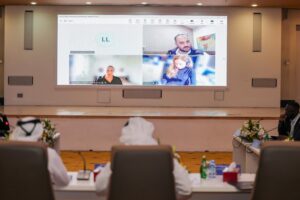
At the conclusion of the meeting, members agreed to keep coordination and communication through electronic channels and follow up on the implementation of proposals and recommendations. The Council will hold a virtual meeting in about six months to evaluate progress and review executive steps in preparation for the next meeting, further advancing cooperation and joint efforts between the Center and GPDNet.
It is worth noting that the Katara Public Diplomacy Center is an institutional platform launched by the Cultural Village Foundation (Katara) in 2021. It aims to harness culture, arts, and knowledge to foster connection among nations, promote concepts of public diplomacy and soft power, and execute cultural and training initiatives in collaboration with embassies, institutions, and specialized academies, while supporting the activities and long-term sustainability of the Global Public Diplomacy Network.
The Center features an Advisory Council including experts and representatives from member and non-member states of the Network. The Council provides advice, insights, and proposals to develop the Center’s strategy and programs, set future priorities, and promote cooperation and knowledge sharing among members to fulfill its mission and expand its impact in public and cultural diplomacy.