rki.news
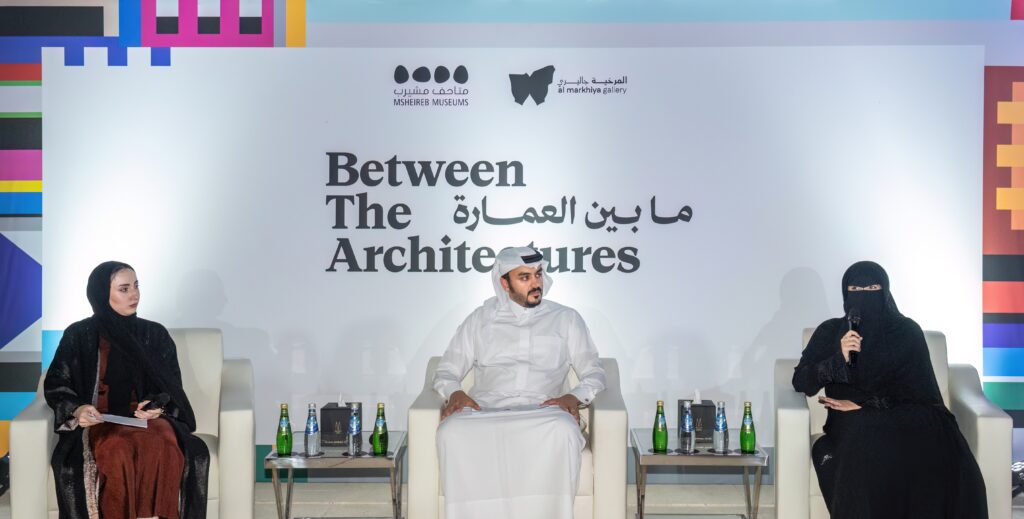
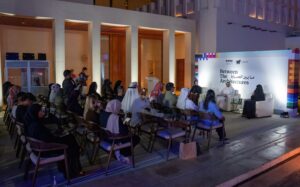
Doha, Qatar, 3 November 2026 – Msheireb Museums, Qatar’s pioneering heritage destination in the heart of Msheireb Downtown Doha, in partnership with al markhiya gallery, hosted a panel discussion titled “Between Art, Architecture and Urban Identity” as part of the “Between the Architectures” exhibition programme at Mohammed Bin Jassim House. The session invited art lovers and architecture enthusiasts to explore how traditional Qatari architecture and contemporary artistic expression contribute to shaping Doha’s evolving identity.
The discussion examined the relationship between art, architecture and urban development, highlighting the importance of preserving Qatar’s cultural heritage while embracing contemporary design.
Complementing the exhibition, which opened last month at Mohammed Bin Jassim House, one of the four heritage houses of Msheireb Museums, the panel extended its dialogue between artistic and architectural perspectives. The exhibition explores how the built environment informs creative practice and reflects the cultural identity of a city, offering new insights into the relevance of Qatar’s architectural traditions today.
Moderated by multidisciplinary designer Nada Abbara, the panel featured Qatari artist and urban planner Mubarak Al Thani and Dr Sultana Al-Nabet, Assistant Professor of Urban Planning in the Department of Architecture and Urban Planning at Qatar University. The speakers examined how geometry, repetition, patterns, materials, proportions and spatial relationships influence both artistic expression and the built environment, and how architectural heritage continues to inspire contemporary creativity.
Mohammed Al Yousef, Manager of Operations and Visitor Relations at Msheireb Museums, said: “At Msheireb Museums, we believe that understanding our heritage is essential to shaping a meaningful contemporary identity. Through our programmes and partnerships, we are committed to supporting Qatari artists and creating opportunities for dialogue between cultural heritage, architecture and contemporary artistic expression.”
Mubarak Al Thani said: “In ‘Between the Architectures’, I set out to rediscover the city through an artistic lens, where architectural details and geometric forms become a visual language that reflects the relationship between place, memory and identity, and opens a dialogue between past and present. Through my work, I try to look beyond the familiar image of architecture to reveal the beauty of the details and contrasts that shape our cities and give each place its own distinct character and identity.”
Dr Sultana Al-Nabet said: “The identity of a city is shaped not by its architecture alone, but by the relationship between people and place, and by the details of everyday life that give each neighbourhood its own character. When we look at old Doha, its value lies not only in its heritage buildings, but also in the way its neighbourhoods were organised, the closeness of its homes, the balance it struck between privacy and social interaction, and its response to the local climate. The challenge today is not to reproduce the past, but to understand the principles that shaped it and reinterpret them for the needs of contemporary society. This is where the dialogue between art, architecture and urban planning becomes essential in rethinking how we build cities that preserve their identity, strengthen people’s connection to place and respond to the aspirations of future generations.”
Through collaborations with cultural institutions and local artists, Msheireb Museums continues to foster dialogue around Qatar’s history, heritage and contemporary identity, reinforcing its role as a platform for cultural exchange and artistic engagement.
Through collaborations with cultural institutions and local artists, Msheireb Museums continues to foster dialogue around Qatar’s history, heritage and contemporary identity, reinforcing its role as a platform for cultural exchange and artistic engagement.