Interview conducted by Haroon Rashid Qureshi, Editor in Chief, Rahbar Kisan International
Qatari Multi-Disciplinary Artist
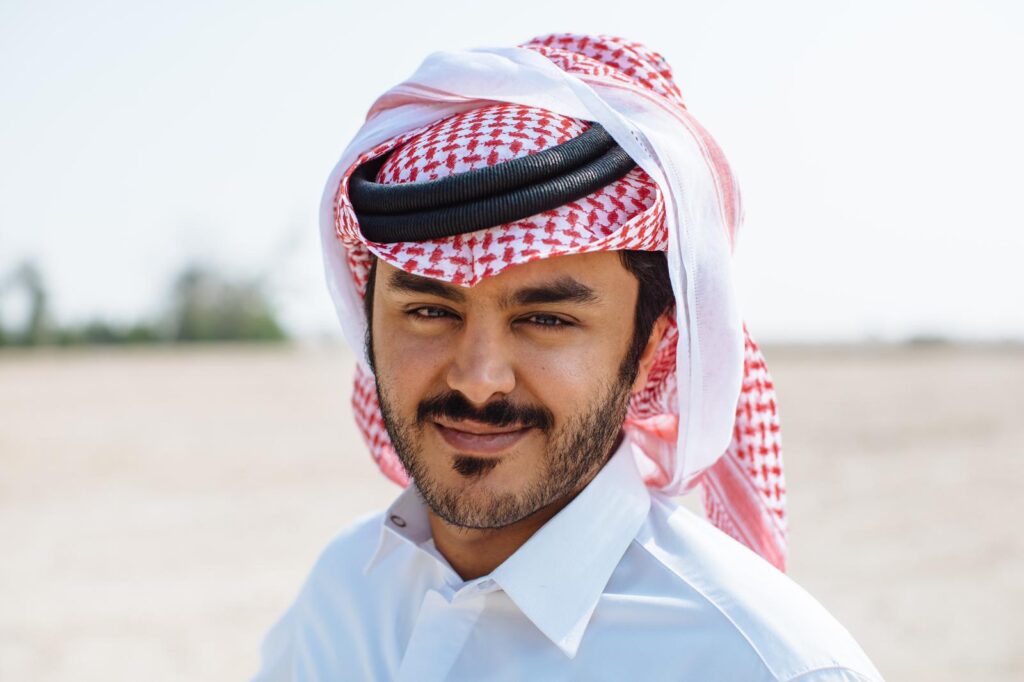
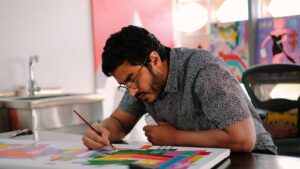
Mubarak Nasser Al-Thani (born in 1989) is a multi-disciplinary artist from Doha, Qatar, currently based in Minneapolis, Minnesota, where he is pursuing an MFA at the Minneapolis College of Art and Design (MCAD).
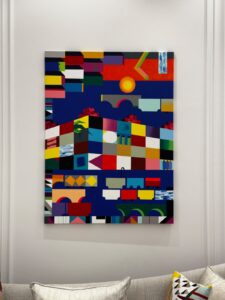
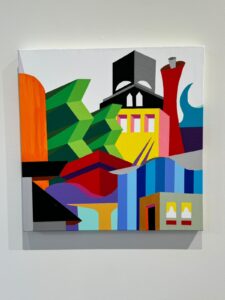
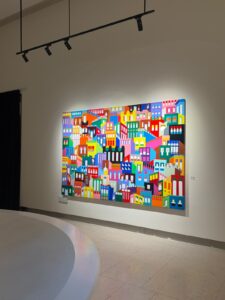
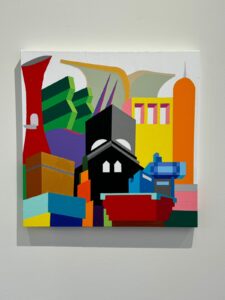
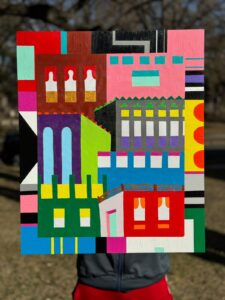
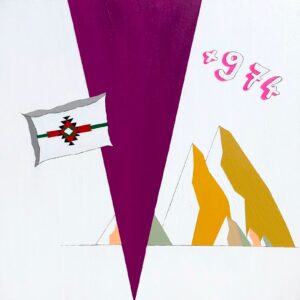
His artistic work explores landscapes, shapes, forms and colours through painting and sculpture. His academic background includes a BA in Politics from Georgetown University and an MA in Urban Planning from New York University. His interests in architecture, urban planning, travel and culture influence his artistic practice.
A Personal Note`
I had the opportunity to meet Mubarak Al Thani during the discussion titled Art, Architecture and Doha at Msheireb Museums.
What impressed me most during the exhibition was the way Mubarak welcomed visitors and patiently explained his artwork to everyone. He was not simply presenting his paintings and sculptures; he was sharing the thoughts, ideas and feelings behind his work. His humble and friendly manner immediately caught my attention.
That day, I decided that I should interview him and give our readers an opportunity to learn more about his artistic journey, personal experiences and vision.
I have conducted many interviews over the years, but this was one of the most memorable experiences for me. What made it special was Mubarak’s sincerity. He answered every question openly and naturally, speaking from the heart rather than giving prepared or formal responses.
I particularly appreciated his honesty when discussing his childhood, artistic journey, ambitions and regrets. His answers reflected a genuine passion for art and a thoughtful personality.
I believe readers will enjoy this conversation because it offers more than an introduction to an artist. It provides a glimpse into the person behind the artwork.
Interview
Q: What childhood memory do you always remember?
Mubarak: When I remember my childhood, I think about playing in playgrounds, meeting my cousins and visiting my grandfather’s house. We also enjoyed going to theme parks. Initially, we visited Aladdin, but later we started spending more time at shopping malls and cinemas.
One of my early childhood memories is Toby’s, an indoor playground and theme park inside a shopping mall. These are some of the memories I still remember from those days.
Q: How was your childhood and student life?
Mubarak: My childhood and student life were quite simple and centred around family. We spent a lot of time at home and went to shopping malls on weekends. We studied, played and travelled with our families.
It was a normal and comfortable childhood, very much like the average Qatari family experience.
Q: When did you start painting, and who inspired you?
Mubarak: I cannot remember exactly when I started painting. I see myself more as a multi-disciplinary artist working with mixed media. I started sketching at a very young age, perhaps in Grade Two or Three. I used to sketch the tables and chairs in front of me at school and continued doing so throughout my school years.
In 2007, I bought my first canvas, but I did not actually paint on it until two years later because I felt intimidated by the idea of starting. From then until 2013, I painted on and off, mainly during summer and other holidays. You could say I spent six or seven years painting occasionally. From 2013 onwards, I began painting continuously.
Regarding inspiration, I would say the city inspired me rather than any particular artist. I have favourite artists whose work I appreciate, but I cannot say that one specific artist inspired me to start painting.
For me, painting is a calling rather than something that comes from inspiration alone. A particular painting or canvas may be inspired by another artist, but the act and profession of painting come from something deeper.
Q: How did your studies in Politics and Urban Planning influence your art?
Mubarak: These studies influence the subject matter of my art. Everything I draw or paint, even the way I sketch, has an engineering-style approach.
If you look at my paintings before they are completed, you will see grids, pencil marks, notes, numbers and measurements.
Studying Politics also opened my horizons and encouraged me to travel and explore different cultures. These experiences have influenced the way I look at the world and express ideas through my art.
Q: What inspires you most in your paintings and sculptures? How do you balance art with daily life?
Mubarak: What inspires me most is the realm of possibilities. I enjoy deconstructing things and then reconfiguring them in different ways.
It is interesting to explore how many possibilities exist when you take something apart and put it together differently. I often ask myself why I should do something in one way rather than another, or whether I should try a different approach next time.
For me, the process is like solving a puzzle. There are always new possibilities to explore.
Q: As a Qatari artist, how do you see the future of art in Qatar?
Mubarak: I think we are fortunate to live in Qatar because there is considerable support for art from different organisations and at various levels.
There are museums, the Ministry of Culture, artist residencies and guidance programmes. In addition, Qatar has a strong and supportive artist community.
All these factors create a positive environment for artists and contribute to the development of the art scene in Qatar.
Q: What are your future goals and ambitions?
Mubarak: My biggest goal and ultimate ambition is to continue painting. That is the real challenge for me, and it is more important than anything else.
Q: What message would you like to give young people who want to become artists?
Mubarak: Explore as much as you can. Visit museums, see different forms of art and allow yourself to become inspired. Draw and continue drawing. Paint and never stop painting.
Through continuous practice and exploration, you will eventually find your own artistic voice.
Once you discover your voice, you become your own source of inspiration. At that stage, you develop your own visual language and a personal way of expressing yourself. You begin to build your own dictionary of artistic expression.
Q: Looking back at your life and career, do you have any regrets? Is there anything you wish you had done differently?
Mubarak: No, I have no regrets.
Mubarak Al Thani: Finding His Voice Through Art