rki.news | Source: Dawn News
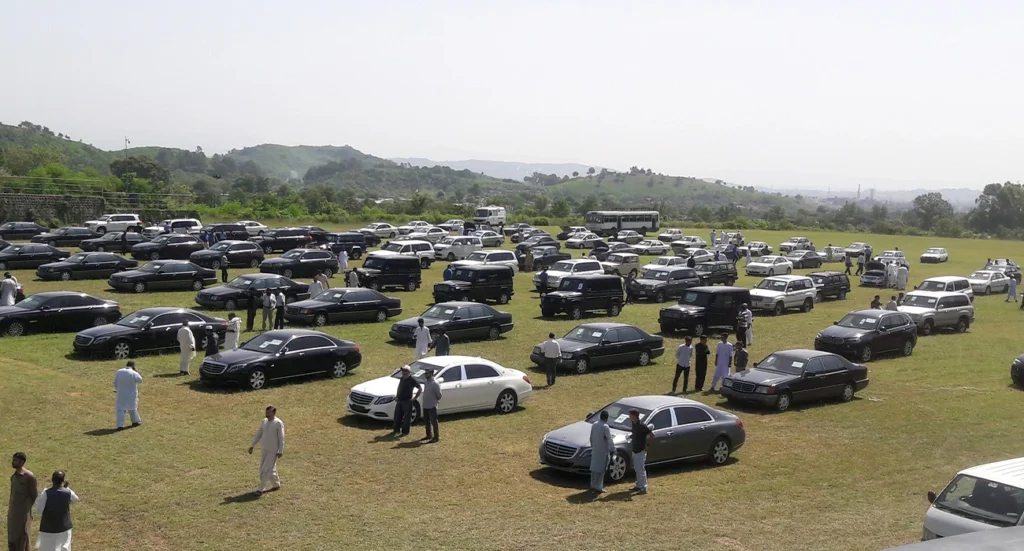
Pakistan’s proposed Auto Policy 2026–31 sets ambitious goals for electric vehicles, exports, competition and local manufacturing. However, concerns remain over whether its incentives and production strategy can deliver these targets.
The policy aims to generate 6 billion US dollars in exports over five years while reducing import tariffs and promoting new energy vehicles. Critics say these objectives require a clear strategy.
A key concern is the proposed 9 percent sales tax on plug-in hybrid electric vehicles (PHEVs), compared with the standard rate of 18 percent. This advantage could encourage petrol-dependent vehicles over battery electric vehicles, weakening efforts to reduce fuel imports and transport emissions.
The export target has also raised questions. Without firm commitments from international manufacturers to use Pakistan as an export base, planned growth in vehicle and parts exports may prove difficult.
Lower tariffs on imported vehicles could increase pressure on local manufacturers and parts suppliers if domestic assembly continues relying heavily on imported components.
While tariff liberalisation could improve competition, the policy needs a balanced approach to support efficient production and strengthen local suppliers.
A clear export strategy, stronger manufacturing commitments and incentives favouring cleaner technologies would help Pakistan achieve its automotive ambitions while protecting domestic industry.
Pakistan Auto Policy Faces Questions Over Export Strategy