
rki.news
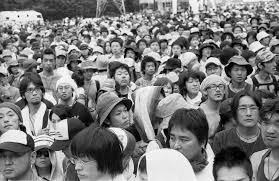
As Japan welcomes the New Year, long queues at food relief distribution points across Tokyo are highlighting the growing economic anxiety faced by low-income households, elderly citizens, and working families struggling to cope with rising living costs.
In central districts such as Shinjuku and Ikebukuro, volunteers have been distributing basic food packages to residents who rely on charity to meet daily needs. For many recipients, missing a single distribution can mean going without food for the day, underscoring the fragility of their situation.
Elderly residents say recent reductions in government assistance have left them increasingly dependent on nonprofit organizations. After paying rent and utilities, little remains for food or healthcare. At the same time, younger people, including single parents and non-regular workers, are appearing in growing numbers at relief sites as inflation erodes limited incomes.
Nonprofit organizations report that the profile of those seeking help has changed sharply in recent years. Once dominated by senior citizens, relief lines now include gig workers, part-time employees, and families with children. Aid groups warn that soaring food prices, particularly staple items such as rice, are limiting their ability to provide assistance despite rising demand.
Official data shows Japan’s income inequality has reached record levels, with more than half of households reporting difficult living conditions. Aid workers say the most troubling development is the growing number of children seen waiting alongside adults for relief packages.
While nonprofits will continue distributions during the holiday period, they warn that without stronger government support, economic hardship is likely to persist beyond the New Year.

At 'Your World in Words,' we share stories from all over the world to make friends, spread good news, and help everyone understand each other better.
© 2026
Rahbar International
Leave a Reply