
rki.news
Sources Sources Xinhua
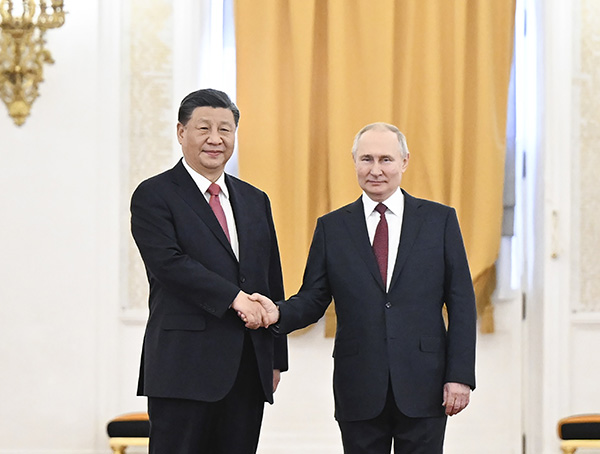
BEIJING, Feb. 4 — Chinese President Xi Jinping and Russian President Vladimir Putin reaffirmed their commitment to strengthening strategic coordination and expanding practical cooperation across multiple sectors during a virtual meeting on Wednesday.
Xi extended New Year greetings to Putin and the Russian people, noting that the discussion coincided with the Beginning of Spring in the Chinese lunar calendar — a symbol of renewal, optimism and new beginnings. He expressed his willingness to work with Putin to draw up a fresh blueprint for advancing bilateral ties and ensuring sustained long-term development.
Putin conveyed Spring Festival greetings to Xi and the Chinese people, wishing them prosperity, stability and continued success in national development efforts.
Reflecting on their two meetings last year, Xi said the engagements propelled China-Russia relations into a new stage of development. He highlighted growing economic and trade exchanges, closer people-to-people links, and joint commemorations of the 80th anniversary of victory in the World Anti-Fascist War. Both sides, he noted, have remained committed to promoting a more just, equitable and inclusive system of global governance.
Xi emphasized that 2026 marks the start of China’s 15th Five-Year Plan period, during which the country will further expand high-level opening-up and share new development opportunities with partners, including Russia. This year also commemorates the 30th anniversary of the China-Russia strategic partnership of coordination, the 25th anniversary of the Treaty of Good-Neighborliness and Friendly Cooperation, and the launch of the China-Russia Years of Education aimed at strengthening academic and cultural exchanges.
The two leaders agreed that amid a complex and evolving international landscape, China and Russia should enhance coordination on multilateral platforms such as the United Nations, the Shanghai Cooperation Organization and BRICS. As permanent members of the UN Security Council, they stressed their responsibility to uphold international law, safeguard the outcomes of World War II, defend the UN-centered order, and promote global strategic stability and balanced development.
They also exchanged in-depth views on major international and regional issues of mutual concern.

At 'Your World in Words,' we share stories from all over the world to make friends, spread good news, and help everyone understand each other better.
© 2026
Rahbar International
Leave a Reply