
rki.news
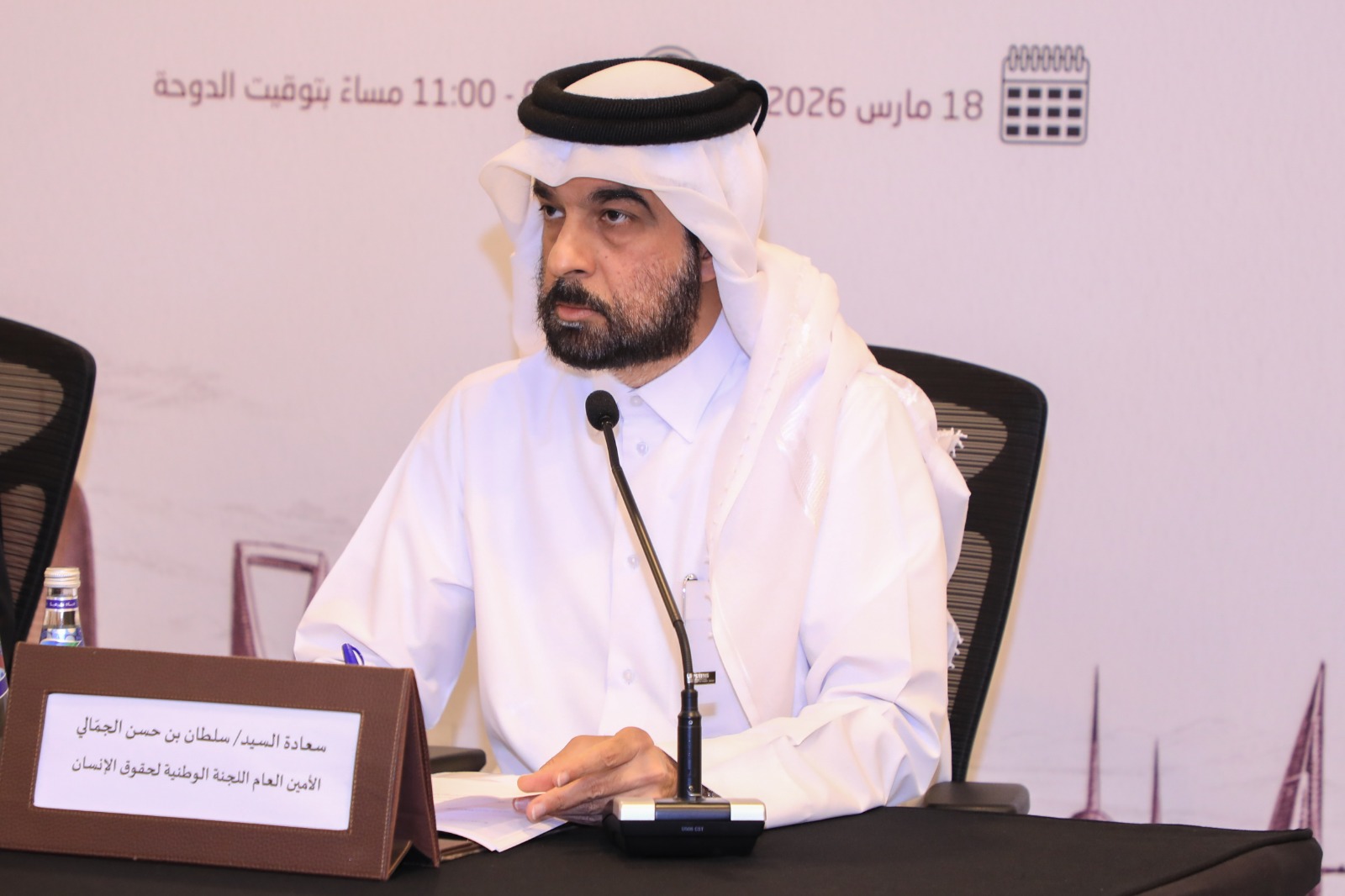
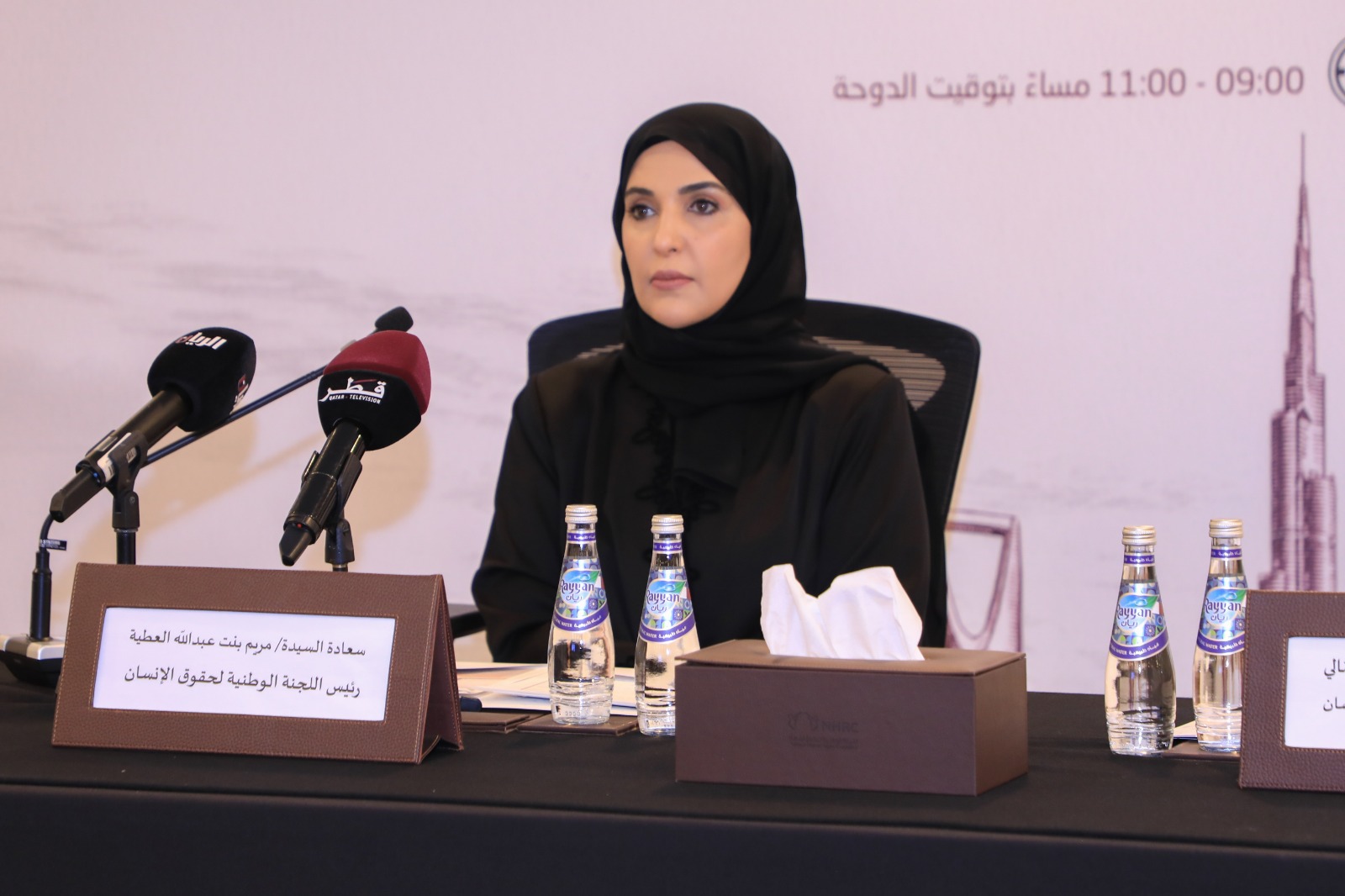
DOHA, March 19, 2026 – At the initiative of Qatar’s National Human Rights Committee (NHRC), national human rights institutions across the Gulf Cooperation Council (GCC) convened an emergency meeting to address the repercussions of recent Iranian attacks on Gulf states and their serious implications for human rights.
The meeting brought together representatives from the human rights bodies of Oman, Bahrain, Kuwait, Saudi Arabia, and the United Arab Emirates, along with the GCC General Secretariat and the United Nations Special Rapporteur on the situation of human rights defenders, Mary Lawlor.
Participants strongly condemned the attacks, describing them as clear violations of the United Nations Charter and international humanitarian law. They emphasized that the deliberate targeting of civilian infrastructure and vital facilities has resulted in widespread and grave violations of human rights, including the rights to life, health, personal security, and freedom of movement. The attacks have also caused significant psychological distress, particularly among vulnerable groups such as women, children, and the elderly.
Chairperson of Qatar’s NHRC, Maryam bint Abdullah Al Attiyah, stated that the emergency meeting reflects the Gulf region’s deep awareness of the seriousness of the ongoing aggression and its consequences. She stressed that the attacks represent systematic violations of international human rights and humanitarian law, particularly due to their impact on civilians and essential infrastructure.
Al Attiyah commended the swift and comprehensive measures taken by Gulf authorities to protect lives, maintain the functioning of vital services, and ensure access to essential resources for citizens, residents, and visitors. She underscored the importance of coordinating a unified human rights response and establishing joint mechanisms for monitoring, documentation, and reporting to support international accountability efforts.
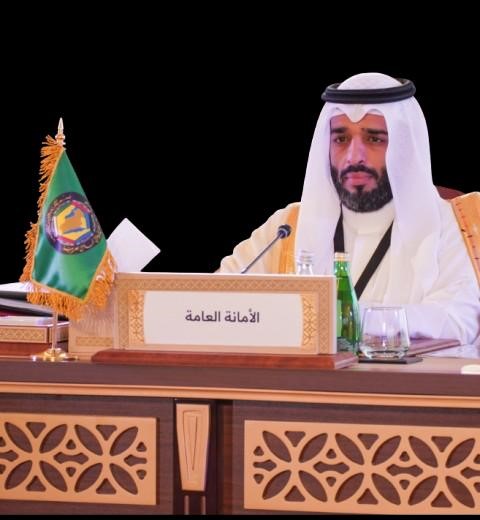
Sultan bin Nasser Al Suwaidi, Assistant Secretary-General for Legal Affairs at the GCC, noted that the region is undergoing a highly sensitive and dangerous phase, warning that the attacks represent a serious breach of international law and state sovereignty. He also welcomed the United Nations Security Council’s condemnation of the attacks, reaffirming international commitment to maintaining peace and stability.
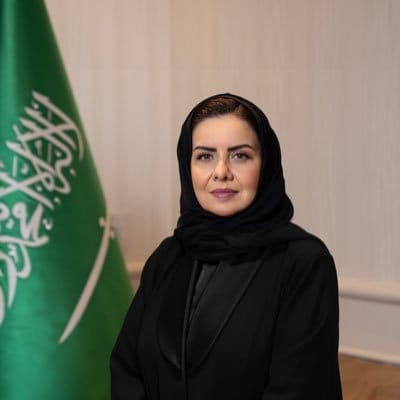
Dr. Hala Al Tuwaijri, President of Saudi Arabia’s Human Rights Commission, highlighted that the attacks have impacted civilians, infrastructure, and supply chains, stressing that protecting civilians must remain a top priority in any conflict. She reaffirmed that such actions constitute clear violations of international humanitarian and human rights law.
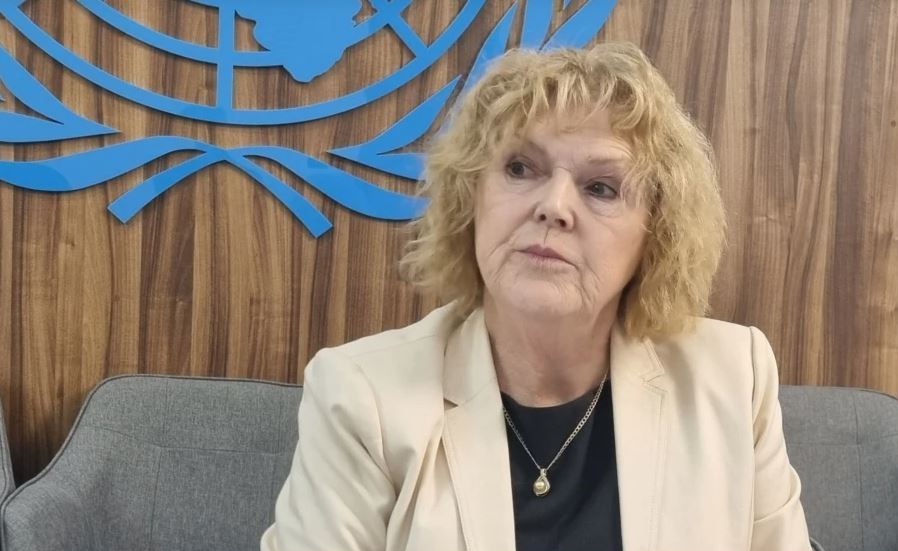
UN Special Rapporteur Mary Lawlor described the situation as an “unlawful war” under international law and emphasized the need to uphold the rule of law, multilateralism, and accountability mechanisms.
The meeting concluded with several key recommendations, including the establishment of a unified Gulf mechanism for monitoring and documenting violations, the creation of a shared digital platform for coordination, and intensified engagement with UN bodies. Participants also called for an urgent special session of the UN Human Rights Council to address the crisis, ensure accountability, and prevent further violations.
Reaffirming their commitment to unity and human dignity, participants stressed the importance of collective action to protect rights and secure justice for victims.

At 'Your World in Words,' we share stories from all over the world to make friends, spread good news, and help everyone understand each other better.
© 2026
Rahbar International
Leave a Reply