
rki.news
Altaf Hamid Rao
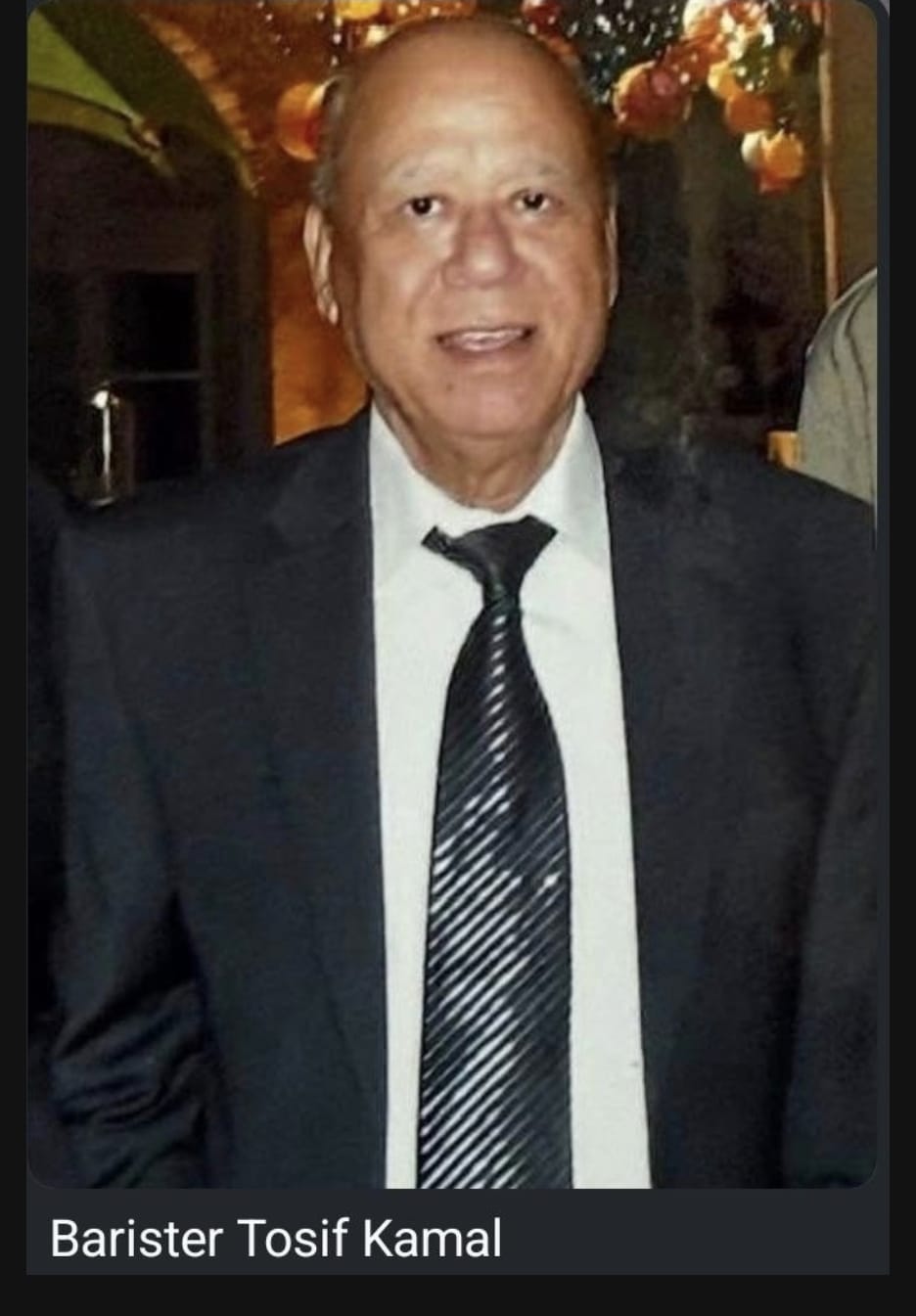
Barrister Toseef Kamal, a U.S.-based attorney and expert on South Asian affairs, has issued a detailed assessment condemning the actions taken against veteran Kashmiri political leader and human rights activist Raja Muzaffar, acting Chairman of the Jammu Kashmir Liberation Front, in Indian Illegally Occupied Jammu and Kashmir (IIOJ&K). He described the measures as part of a “broader pattern of criminalizing non-violent advocacy and dismantling rights-based political movements in the region.”
In his review titled “Legal and Political Measures Against Raja Muzaffar in the Context of His Peace Legacy and Diplomatic Leadership for Justice for Yasin Malik,” Kamal highlighted the “profound contradiction” between Muzaffar’s long-standing commitment to peace and the actions of Indian state authorities. The barrister emphasized that Muzaffar is recognized by independent observers as a moderate leader, consistently advocating democratic dialogue, secular political rights, and participating in global peace conferences and policy dialogues.
Kamal documented a series of escalating legal and administrative measures against Muzaffar, beginning with FIR No. 03/2024 under multiple sections of the Unlawful Activities (Prevention) Act (UAPA) and the Indian Penal Code. The charges, which include “unlawful activities,” “support to banned organizations,” and “raising funds,” are often used to construct a “terror-finance narrative” without evidence of violence, providing a legal pretext for punitive actions. Subsequent steps include property attachment directives, non-bailable warrants, and blocking Muzaffar’s X (formerly Twitter) account under Section 69A of India’s IT Act, described as a “surgical strike on his information diplomacy,” significantly restricting his ability to communicate with international organizations, media, and supporters.
Kamal argues that the escalation represents a systematic effort to neutralize a moderate diplomatic actor. Muzaffar’s role in unifying JKLF factions, engaging international human rights organizations, and liaising with U.S.-based civil society has made him a “significant obstacle to the state’s narrative.” His non-violent, rights-based approach challenges extremist-versus-state binaries and exposes the weaknesses of the prevailing narrative on Kashmir.
The barrister concluded that the legal and administrative actions are “more a political signal than legitimate prosecution,” sending a chilling message that even peaceful advocacy and dialogue for Kashmir’s rights can now be criminalized. He called on the international community to actively monitor these developments and defend the rights of moderate leaders working for justice, peace, and reconciliation in the region.

At 'Your World in Words,' we share stories from all over the world to make friends, spread good news, and help everyone understand each other better.
© 2026
Rahbar International
Leave a Reply