
rki.news | Anadolu Agency
The ongoing tensions affecting the Strait of Hormuz have triggered what the World Food Programme (WFP) describes as the most significant global supply chain disruption since the COVID-19 pandemic and the onset of the Ukraine war.
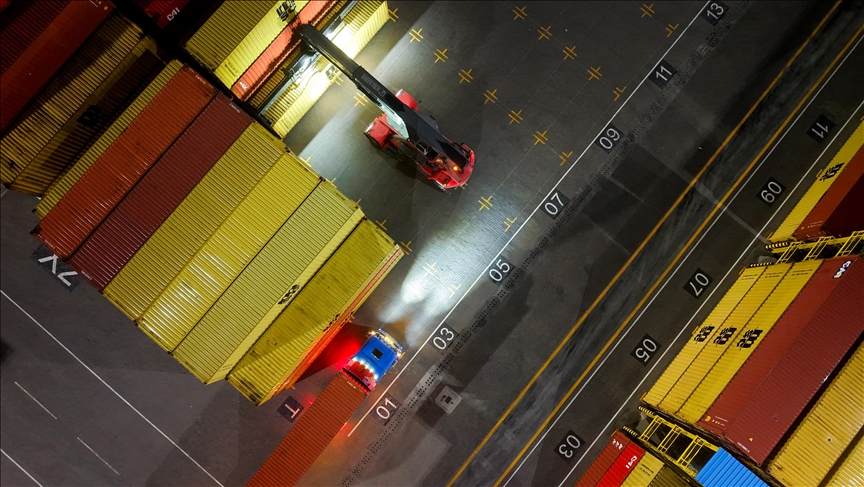
According to WFP Director of Supply Chain Corinne Fleischer, approximately 70,000 metric tons of humanitarian food supplies have been impacted, with shipments delayed, rerouted, or stranded at ports due to escalating regional instability. The disruption has left vessels unable to berth or depart, while cargo remains stuck in transit, causing a severe breakdown in global logistics.
The impact extends well beyond the Middle East. Shipping lines are increasingly rerouting vessels around Africa to bypass the affected المنطقة, adding 25 to 30 days to delivery times and increasing freight costs by 15 to 25 percent. This has significantly strained humanitarian supply operations worldwide.
Despite securing priority cargo access and negotiating surcharge waivers—resulting in cost savings of approximately $1.5 million—WFP officials warn that the crisis is deepening. The agency projects that by June, an additional 45 million people could face acute hunger due to rising food prices, delayed aid deliveries, and insufficient humanitarian funding.
The WFP cautioned that continued disruptions could further escalate global food prices and limit aid access, posing a serious threat to food security worldwide.

At 'Your World in Words,' we share stories from all over the world to make friends, spread good news, and help everyone understand each other better.
© 2026
Rahbar International
Leave a Reply