
rki.news
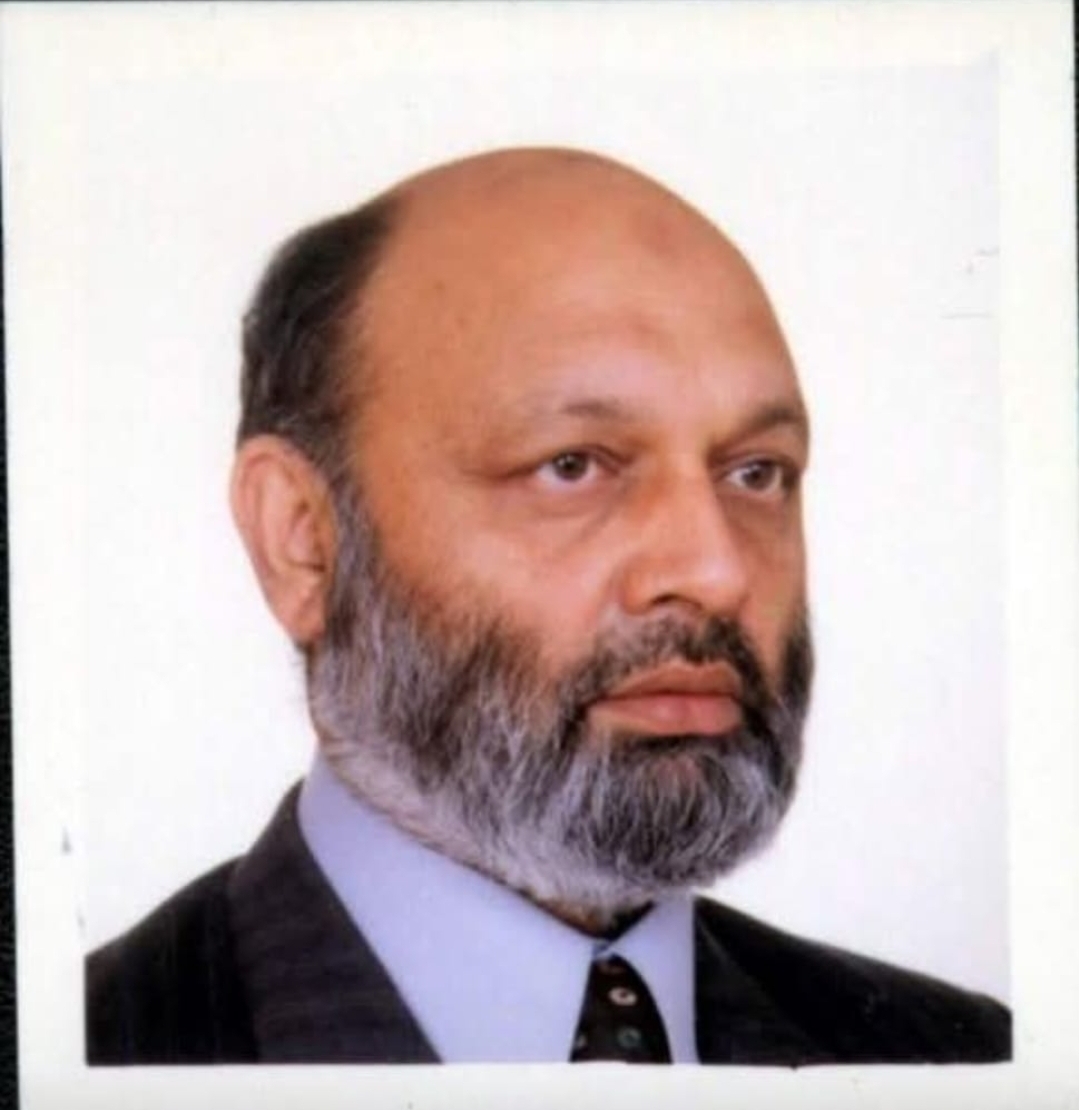
By Dr. Haroon Rasheed
Former Vice Chancellor, University of Peshawar
Living far from one’s homeland often deepens the emotional bond with it. Distance does not weaken concern; instead, it sharpens awareness of every hardship unfolding back home. This heartfelt reflection captures the voice of an overseas observer whose thoughts remain firmly anchored in the struggles, uncertainties, and hopes of the homeland.
Though physically present on foreign soil, the writer’s gaze constantly turns toward home, filled with anxiety and longing. The idea of peace appears fragile—almost ghost-like—shifting and elusive amid ongoing challenges. This emotional connection transcends borders, reinforcing the sense that home is never truly left behind.
Economic hardship emerges as a central concern. Despite significant financial inflows meant to stabilize the nation, the burden of debt, rising costs, and systemic inefficiencies continues to overshadow progress. The struggles of ordinary citizens—symbolized by a farmer forced to halt his work due to rising fuel prices—reflect a broader reality where survival is becoming increasingly difficult.
The impact on the younger generation is particularly troubling. Educational spaces, once seen as gateways to opportunity, are now overshadowed by uncertainty and fear. Students, who should be building their futures, instead confront barriers that limit their aspirations. Creativity and innovation appear stifled as frustration and instability take root.
At the same time, a climate of fear and insecurity affects everyday life. Travel plans are canceled, public confidence declines, and even discussions of peace seem overshadowed by ongoing conflict. Political efforts, while present, often feel disconnected from realities on the ground, where pain and loss continue to shape the national experience.
Another pressing issue is the growing phenomenon of brain drain. Talented individuals are compelled to leave in search of stability and opportunity, leaving behind an aging population to shoulder increasing hardships. While remittances provide temporary relief, they cannot fully address the structural challenges facing the nation. The sense of loss extends beyond economics—it affects the very fabric of society.
Yet, amid these challenges, the piece carries a message of hope and a call for genuine reform. It urges that commitments made on paper translate into real improvements in people’s lives. The need for meaningful change—one that alleviates suffering, restores dignity, and ensures safety—is emphasized as a shared responsibility.
Ultimately, this reflection is both a critique and a prayer. It speaks of pain, but also of enduring love for the homeland. It expresses a collective desire for a future where peace is not an illusion, but a lived reality—where the homeland becomes a place of safety and stability.

At 'Your World in Words,' we share stories from all over the world to make friends, spread good news, and help everyone understand each other better.
© 2026
Rahbar International
Leave a Reply