
rki.news | Source: Xinhua
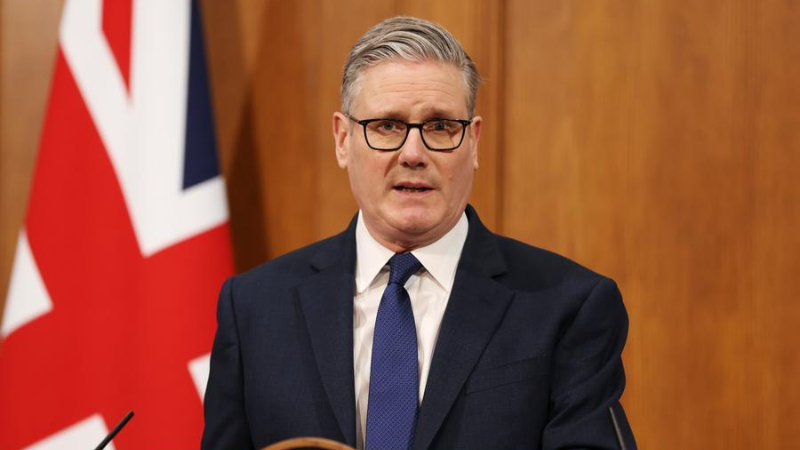
Britain’s ruling Labour Party is entering a critical phase as mounting political pressure on Prime Minister Keir Starmer raises questions about leadership strength ahead of key local and regional elections later this week.
Tensions have intensified following controversy over the appointment of Peter Mandelson as ambassador to the United States. Although the House of Commons recently rejected a motion to investigate whether Starmer misled parliament, divisions within Labour have surfaced, with several party lawmakers supporting the call for a probe.
Opposition leaders, including Kemi Badenoch, have used the issue to question Starmer’s credibility, linking the controversy to broader concerns over economic management, welfare policy, defence spending, and overall government transparency. Critics argue the episode has weakened his authority at a sensitive political moment.
The dispute centres on reports that Mandelson initially failed a security vetting process before being cleared by the Foreign Office. Starmer has denied any interference, maintaining that proper procedures were followed, while opposition parties continue to challenge his account and political judgment.
Analysts suggest the row has amplified existing concerns about leadership, accountability, and internal cohesion within Labour. With elections approaching, the party’s performance is now seen as a key indicator of public confidence and future electoral prospects nationwide.
Despite the pressure, Starmer retains a strong parliamentary majority and there is no clear alternative leadership within Labour. However, political observers warn that a poor electoral showing could intensify internal dissent and further test his position in the coming weeks.

At 'Your World in Words,' we share stories from all over the world to make friends, spread good news, and help everyone understand each other better.
© 2026
Rahbar International
Leave a Reply