Doha, 20 May 2026
In partnership with the Doha Institute for Graduate Studies, the Qatar National Human Rights Committee (NHRC) organized an introductory meeting on a research project titled “Institutional Sustainability from a Human Rights Perspective in Public Institutions.” The event brought together representatives from ministries, government entities, public institutions, the private sector, and civil society organizations in Qatar.
The meeting is part of NHRC’s mandate to promote human rights awareness, conduct research and studies, and support the development of institutional policies and practices aligned with human rights principles.
The session introduced the study’s objectives, methodology, and research tools, and explained the procedures for completing two questionnaires—one targeting public institutions and the other directed at employees. It also emphasized the importance of institutional participation in ensuring accurate data collection and high-quality research outcomes.
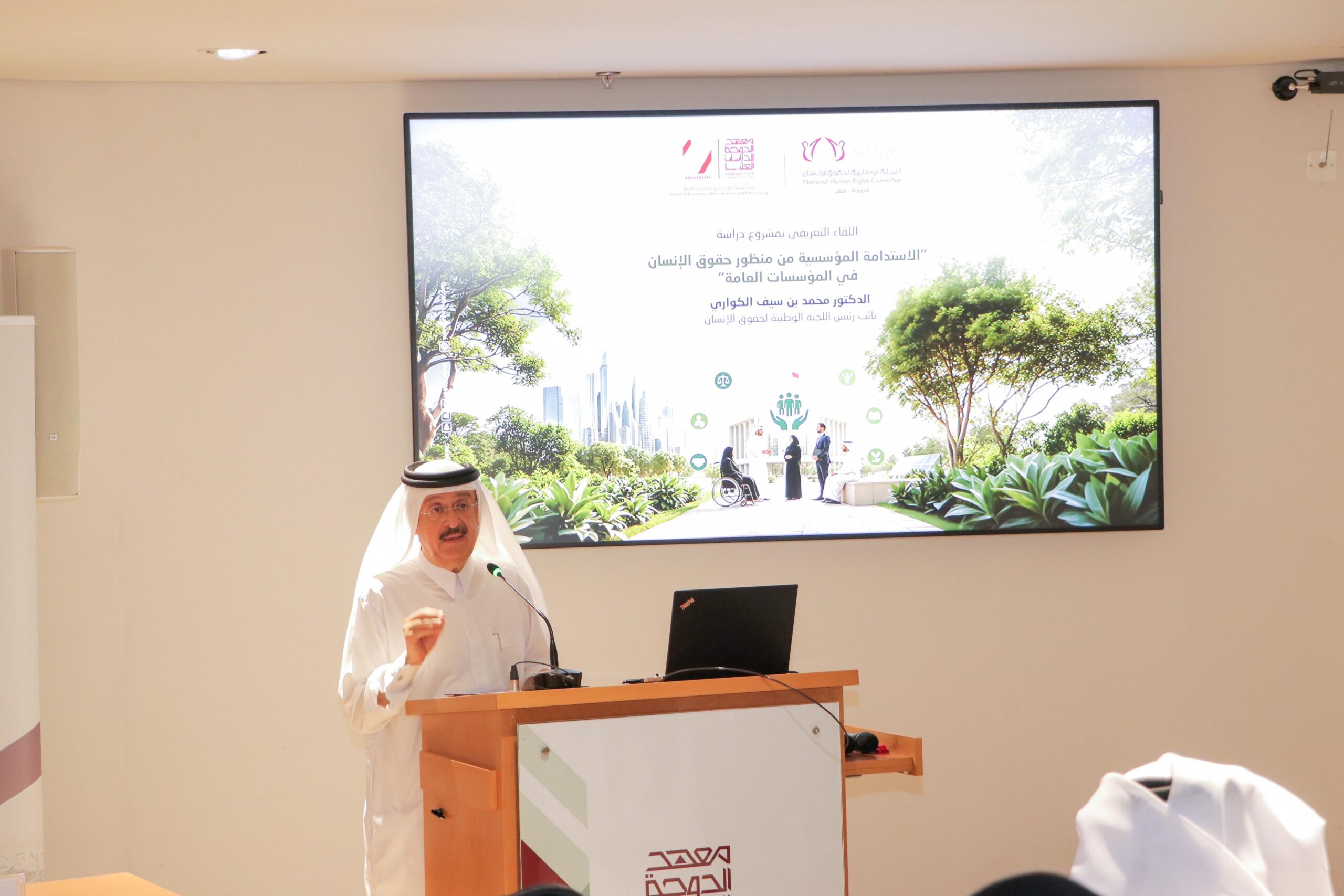
Speaking at the event, H.E. Dr. Mohammed bin Saif Al-Kuwari, Vice-Chairman of the NHRC, said the study is based on a comprehensive concept of institutional sustainability that connects performance efficiency and rational resource use with good governance, transparency, accountability, institutional justice, and respect for human rights in the workplace.
He added that the study covers four key dimensions: environmental, social, economic, and institutional sustainability and governance. This framework aligns with Qatar National Vision 2030 and the United Nations Sustainable Development Goals, particularly Goal 16 on building effective, accountable, and inclusive institutions.
Dr. Al-Kuwari noted that the study aims to develop a clearer understanding of institutional sustainability across government, public, and private sectors, identify strengths and areas for improvement, and support more transparent, fair, and sustainable governance systems.
He emphasized that the meeting marks an important preparatory step in the structured implementation of the study and reflects NHRC’s commitment to strengthening research partnerships with relevant stakeholders. The expected outcome is the production of robust scientific findings and practical recommendations to support institutional development and promote a culture of human rights.
He further stated that the initiative will enhance institutional understanding of the study’s framework, build a knowledge base on sustainability from a human rights perspective, and contribute to a data-driven analysis that can inform policy and institutional reform.
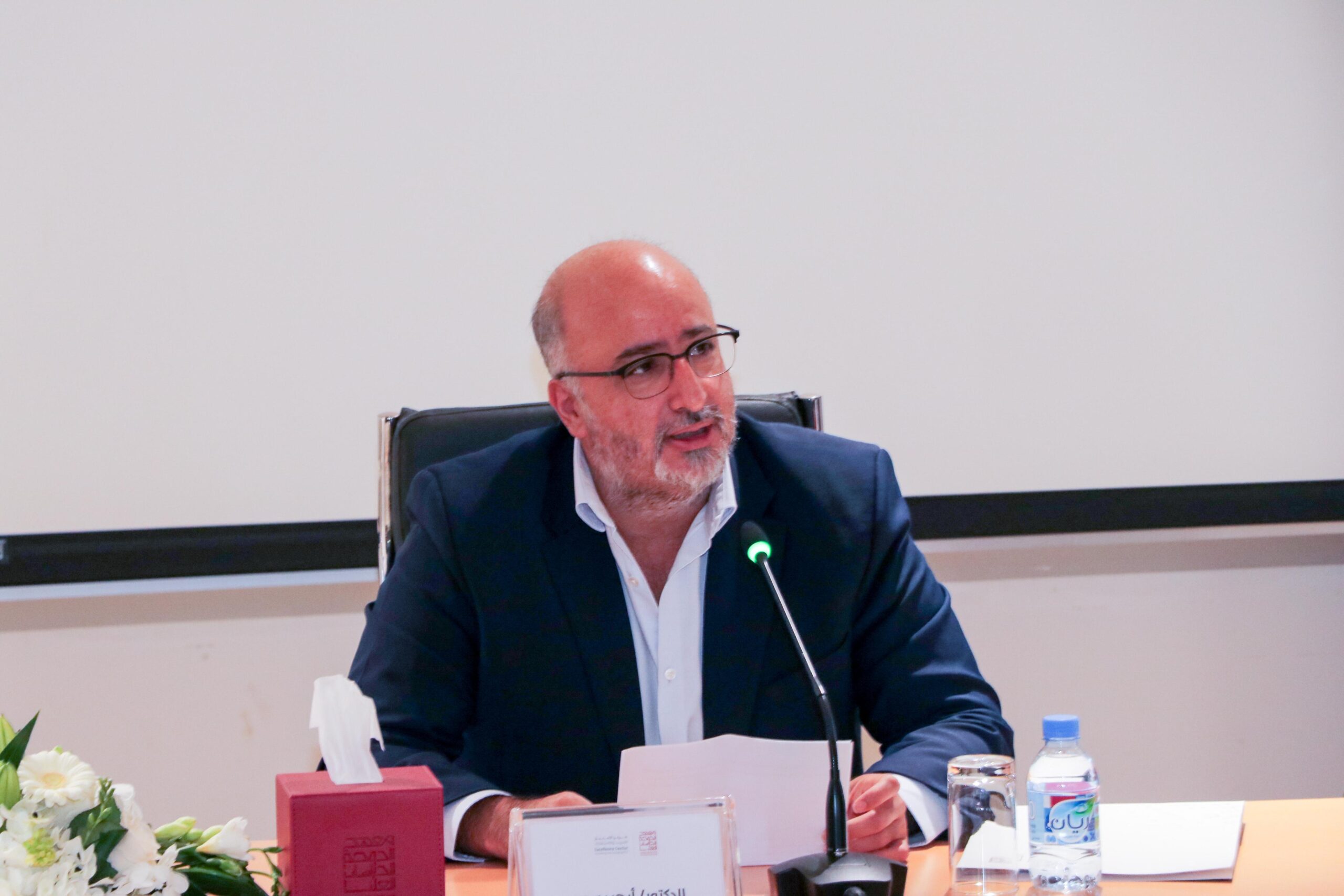
For his part, Dr. Ayyeb Saad, Dean of the College of Economics, Administration and Public Policy at the Doha Institute for Graduate Studies, said institutional sustainability has become a strategic priority in strengthening the public sector and enhancing its ability to adapt to rapid changes.
He said the study represents a national scientific effort designed to provide decision-makers with reliable data and improve institutional policies in line with international standards. He added that integrating a human rights perspective adds depth to understanding the relationship between institutional efficiency and human rights protection.
Dr. Saad highlighted that the collaboration between the Doha Institute and NHRC reflects their Memorandum of Understanding and supports the institute’s mission to advance applied research in line with national development priorities.
He affirmed the Doha Institute’s readiness to support national institutions through specialized studies, consultancy services, and policy development initiatives in line with Qatar National Vision 2030 and the Third National Development Strategy.
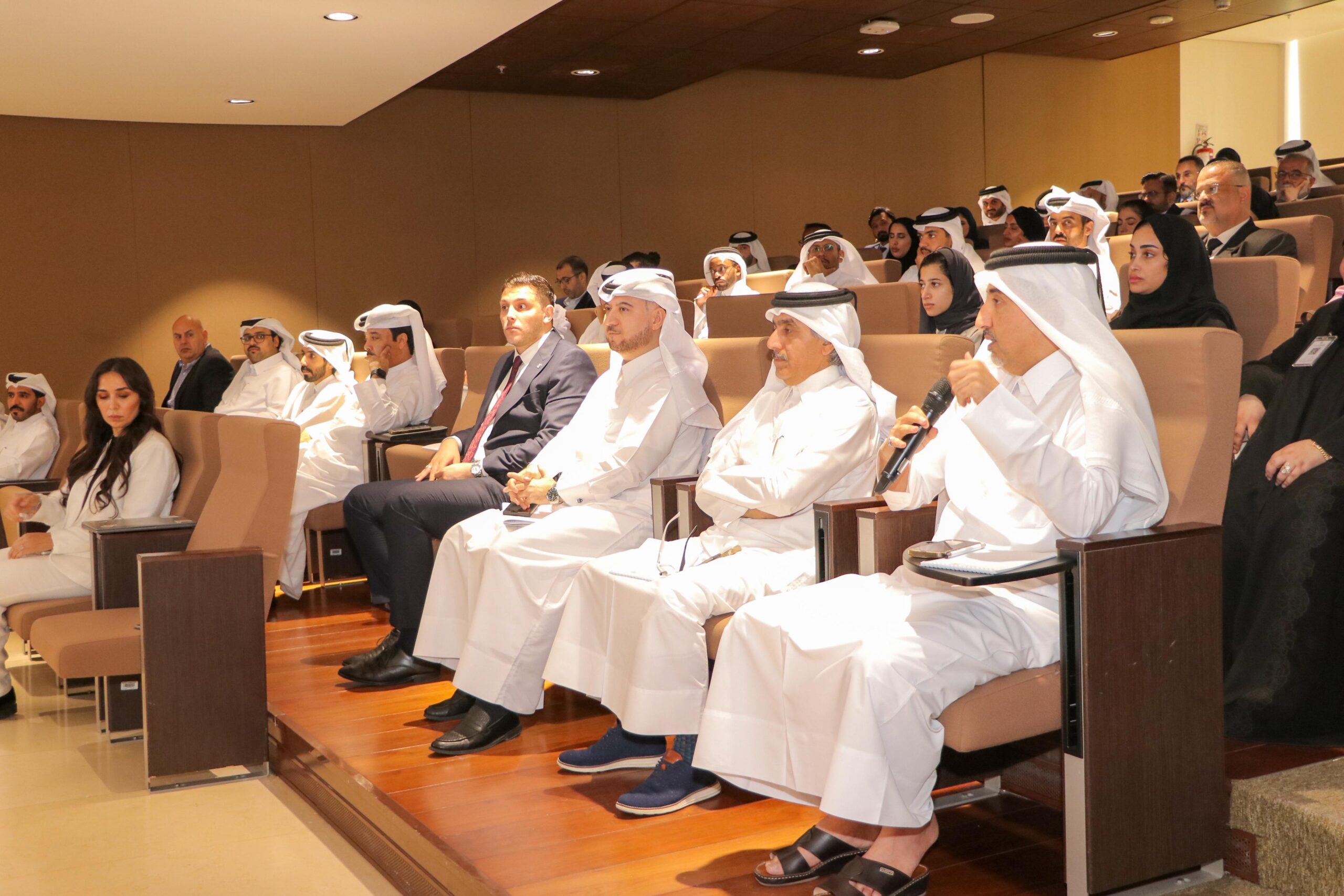
The session concluded with a detailed presentation on the study’s concept, methodology, and dimensions, along with guidance on questionnaire procedures and the role of participating institutions, followed by an interactive discussion with attendees.
At 'Your World in Words,' we share stories from all over the world to make friends, spread good news, and help everyone understand each other better.
© 2026
Rahbar International
Leave a Reply