
rki.news
Shafa Nayab, M. Sufyan Ibrahim, Sami Ullah and Kashif Razzaq
Department of Horticulture
MNS University of Agriculture, Multan
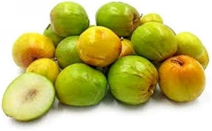
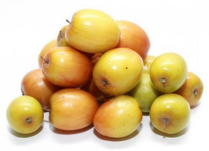
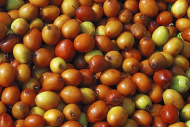
Ber belongs to the Rhamnaceae family and is considered a minor fruit crop in Pakistan. Its center of origin is Asia, where it grows naturally with great genetic diversity. The fruit has been cultivated in China for more than 4,000 years and is widely grown in South Asia, the Middle East, and arid regions of Africa. In Pakistan, Ber is commonly found in dry and semi-arid areas, especially around the Thar Desert, where harsh climatic conditions limit the cultivation of many other fruit crops. Because of its remarkable ability to tolerate drought and heat, it is often referred to as the “desert apple.”
Besides its environmental adaptability, Ber is highly nutritious and contributes significantly to human health. The fruit is rich in vitamin C, antioxidants, sugars, minerals, and bioactive compounds. Due to its high vitamin C content, it is popularly known as the “poor man’s apple.” Ber also contains important phytochemicals such as alkaloids, flavonoids, glycosides, saponins, and triterpenoic acids, which possess medicinal properties. It also exhibits antioxidant, anti-inflammatory, antibacterial, antidiabetic, and cardiovascular protective activities. These nutritional and therapeutic qualities increase its value as a functional food crop in regions facing malnutrition and food insecurity.
According to the Ministry of National Food Security & Research (MNFSR), in recent year Ber production has reached approximately 14,330 tons, cultivated on about 3607 hectares with Sindh contributing nearly 100% of the country’s total production.
Climate change has become one of the greatest challenges facing global agriculture. Rising temperatures, irregular rainfall, prolonged droughts, soil degradation, and water scarcity are threatening food security around the world. Pakistan is ranked among the most vulnerable countries globally to climate change. Despite contributing less than 1% of global greenhouse gas emissions, it faces extreme weather events i.e. devastating glacial melt, erratic monsoons, severe heat waves, and catastrophic flooding. In this country, where agriculture plays a major role in the economy and rural livelihoods, farmers are increasingly searching for crops that can survive under harsh environmental and climatic conditions. Among such resilient crops, Ber is emerging as an important fruit capable of thriving under stressful environments making it a valuable resource for strengthening food and nutritional needs for growing populations and climate-smart agriculture. Another important advantage of Ber under climate change is its role in sustainable agriculture and environmental conservation. Ber trees help reduce soil erosion in arid lands through their extensive root systems. They can also improve biodiversity by providing habitat and food for birds and pollinators. Due to their low-input cultivation potential, they support environmentally friendly farming systems with reduced pressure on natural resources. In agroforestry systems, Ber can be integrated with other crops to improve farm resilience and diversify farmers’ income.
The economic potential of Ber is also increasing due to rising consumer interest in nutritious and climate-resilient foods. Fresh Ber fruits are consumed locally, while dried fruits, candies, jams, juices, leathers and pickles are gaining popularity in local and international markets. The fruit has strong potential for value addition and processing industries, which can generate employment opportunities in rural areas. With proper marketing strategies and postharvest management, Ber cultivation can become a profitable enterprise for farmers living in drought-prone regions.
In conclusion, Ber is a highly adaptable and nutritious fruit crop with significant potential under changing climatic conditions. Its ability to tolerate drought, heat, and poor soils makes it an ideal crop for arid and semi-arid regions. Along with its nutritional, medicinal, environmental, and economic benefits, Ber offers a sustainable solution for climate-smart agriculture. Promoting this indigenous, locally adapted fruit crop can strengthen food security, rural livelihoods, and ecological sustainability under changing climatic conditions.

At 'Your World in Words,' we share stories from all over the world to make friends, spread good news, and help everyone understand each other better.
© 2026
Rahbar International
Leave a Reply