
rki.news | Doha
By Haroon Rashid Qureshi
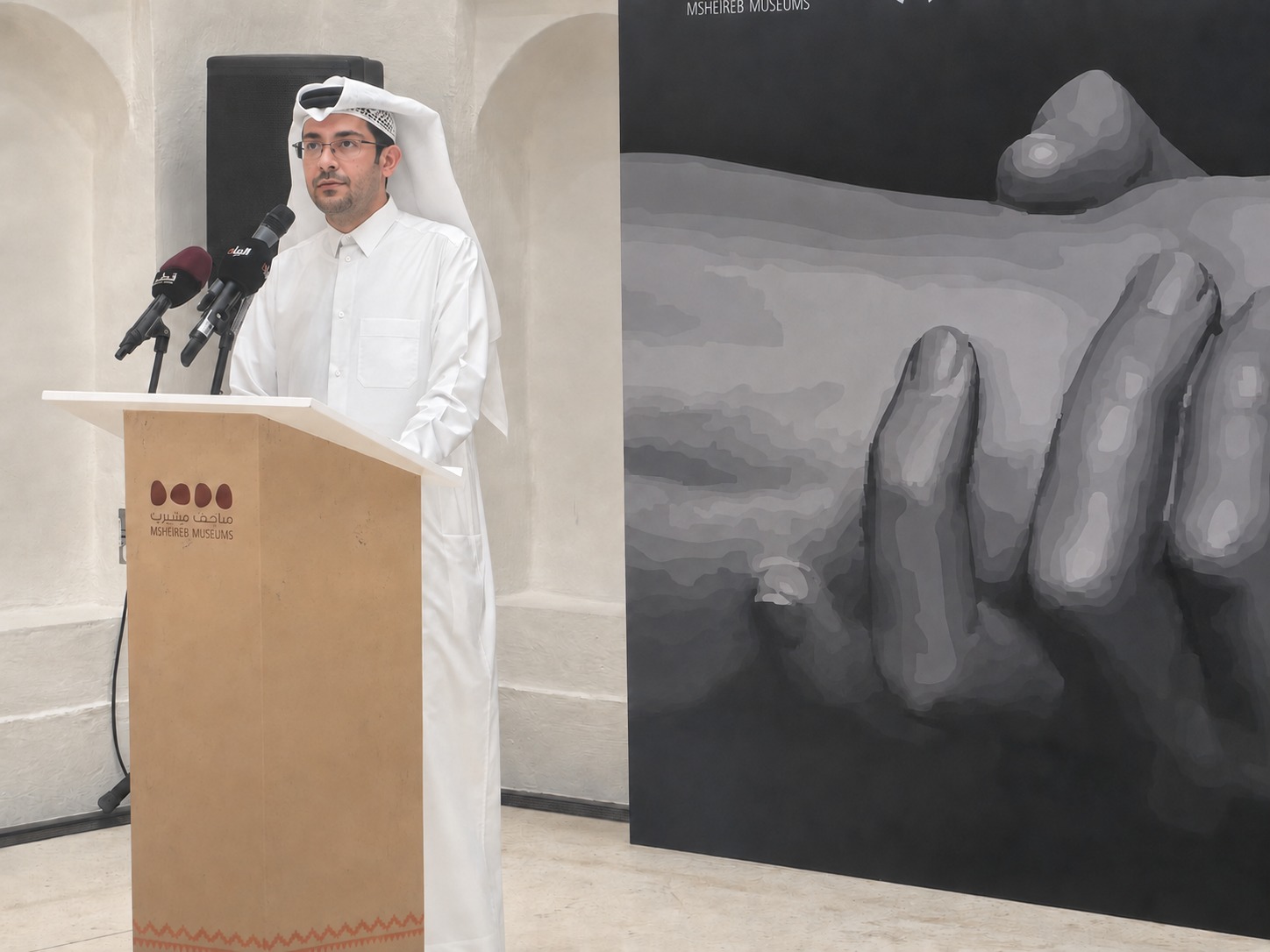
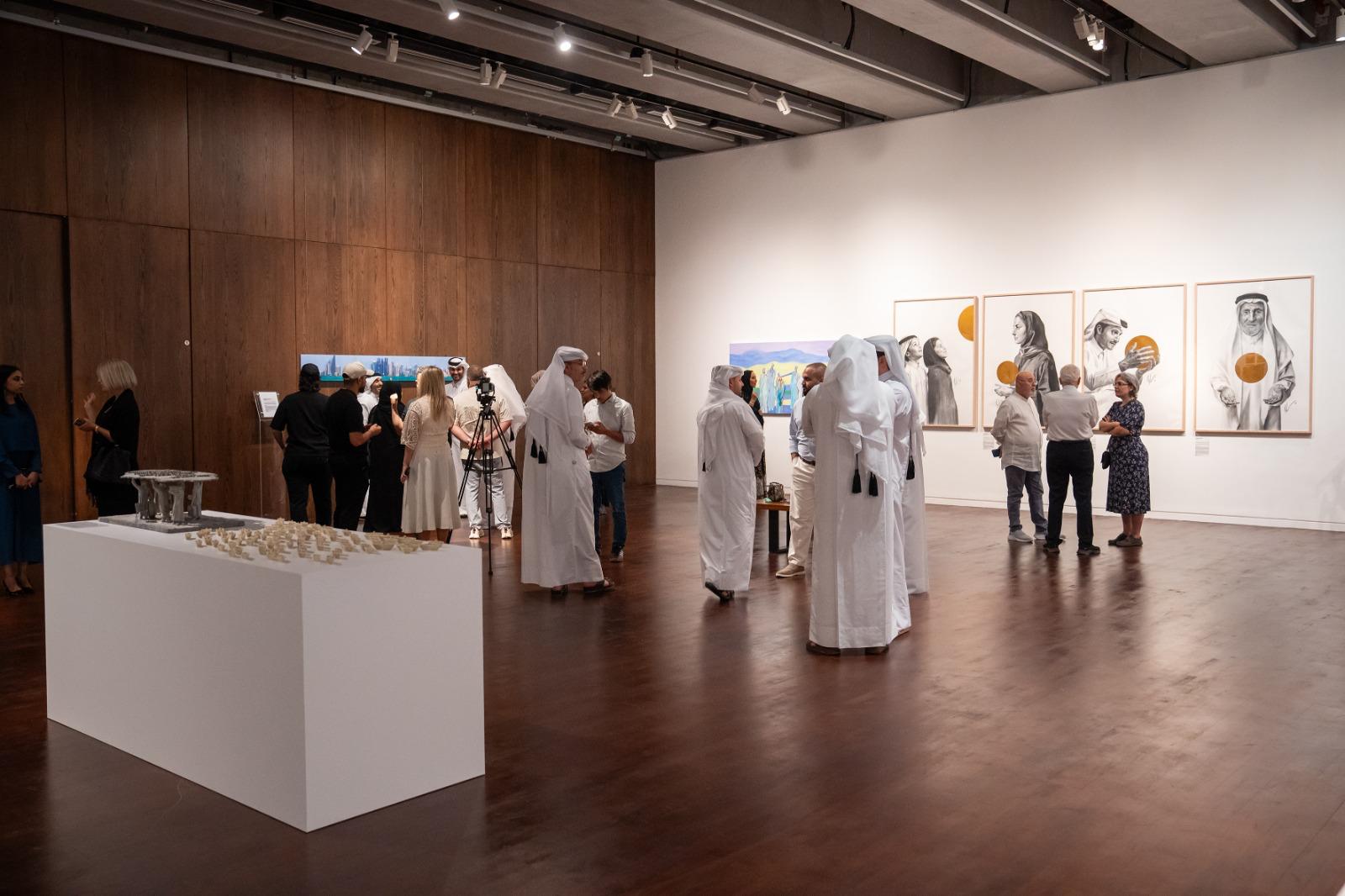
The Sawaed Exhibition opened on 10 June 2026 at Msheireb Museums, bringing together artists, cultural leaders and guests in a celebration of the human effort behind Qatar’s modern transformation.
The opening ceremony began with a welcome address by Abdulla Al Naama, General Manager of Msheireb Museums, who greeted attendees and highlighted the significance of the exhibition. He explained that Sawaed reflects the collective contribution of people whose work and vision helped shape modern Qatar, particularly during the country’s early oil era.
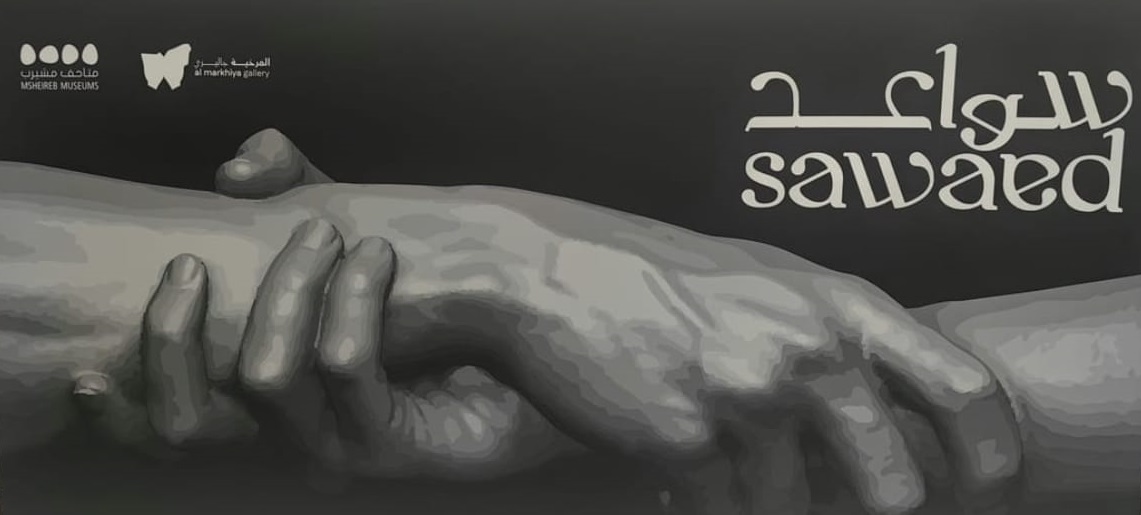
The Arabic word Sawaed (سواعد) translates as “arms,” “forearms,” or “hands,” and is commonly used in Arabic to symbolize support, cooperation and collective strength. In the context of the exhibition, it represents the workforce and shared human effort that contributed to national development.
Guests were then invited to the exhibition halls at Bin Jelmood House, where the curatorial vision of artist and curator Bachir Mohamad was presented in collaboration with almarkhiya gallery.
Human Stories at the Heart of the Exhibition
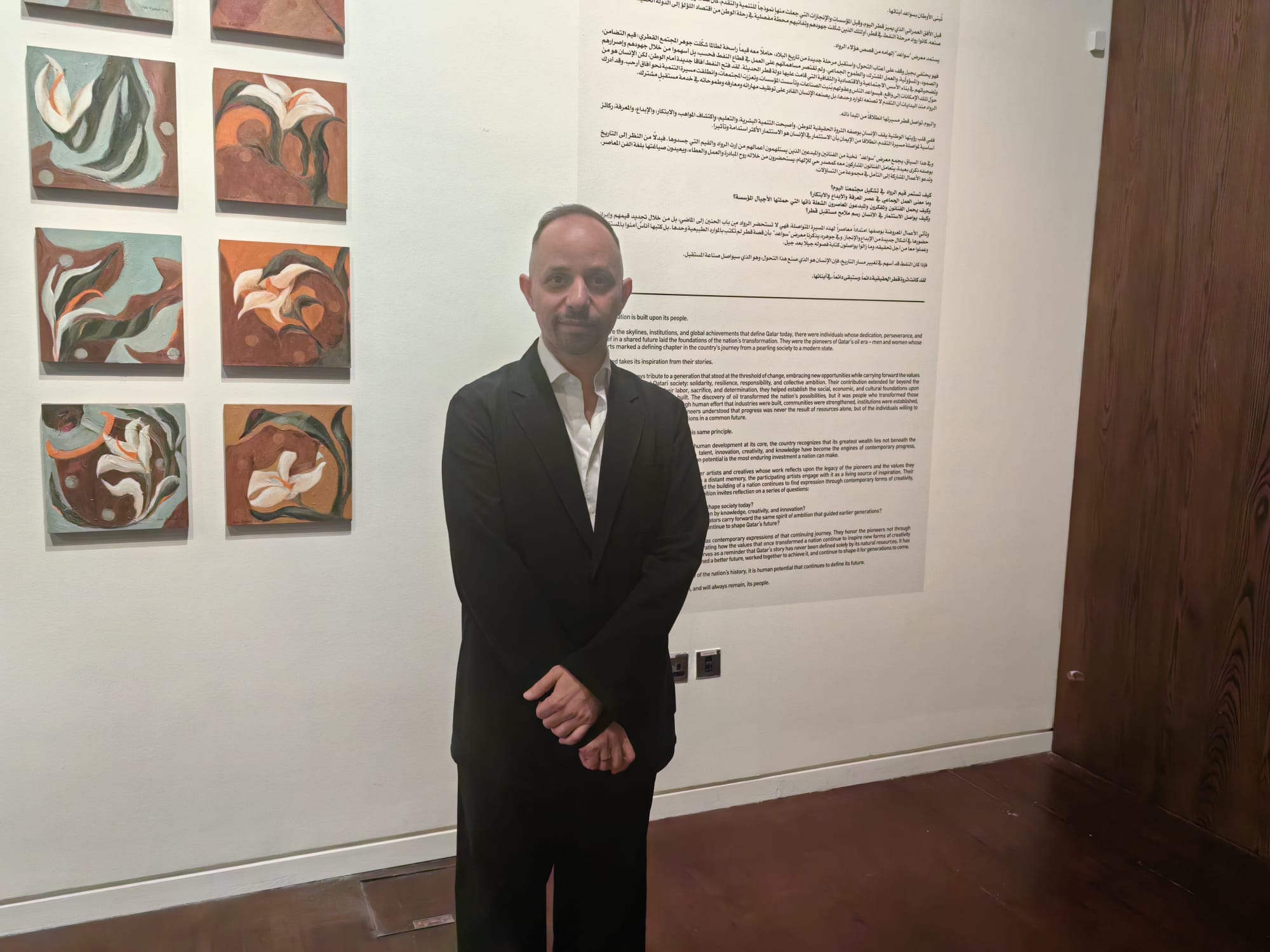
Speaking to rki.news Editor-in-Chief Haroon Rashid Qureshi, Curator Bachir Mohamad described Sawaed as an artistic project focused on people rather than resources, placing human experience at the center of Qatar’s development narrative.
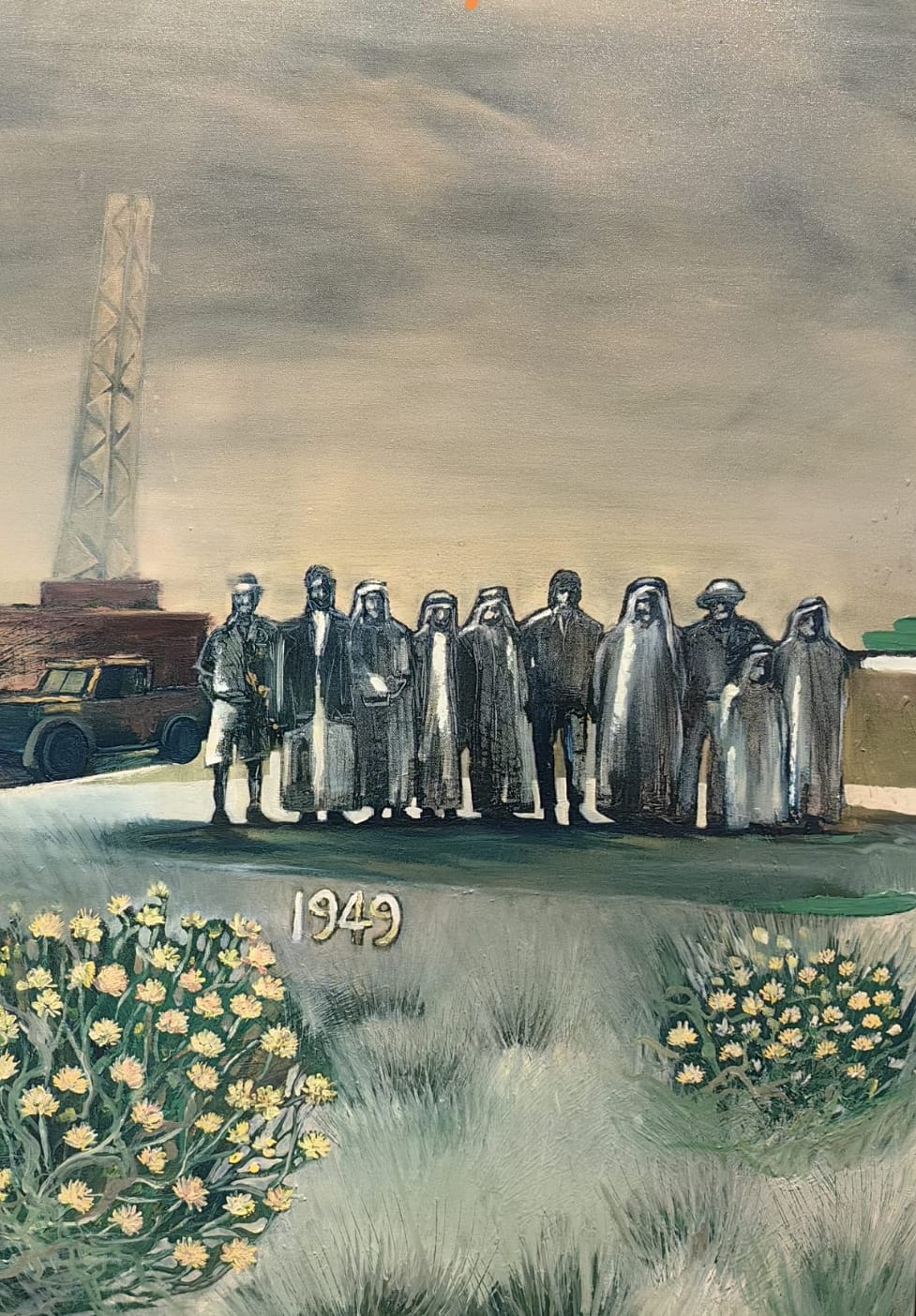
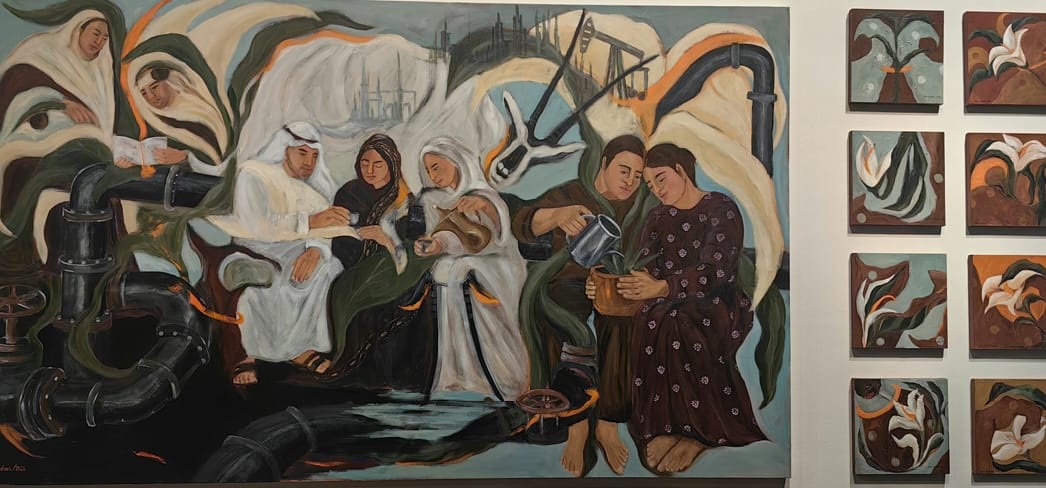
He explained that while the exhibition is inspired by Company House and the history of Qatar’s oil and gas industry, its core message goes beyond industrial development. It highlights the individuals, including workers, families and communities, whose efforts shaped the country’s progress.
According to him, true wealth lies not only in natural resources but also in people, their creativity, dedication and collective contribution to society.
Diverse Artistic Collaboration
The exhibition brings together 14 artists, including Bachir Mohamad himself, representing a diverse artistic community based in Qatar. Participating artists include Hala Aljaafari, Maryam Almulla, Ahmed Nooh, Fatma Al Naimi, Nasser Al-Attiyah, Fatma Al Shebani, Hanadi Al Darwish, Mubarak Al-Malik, Aisha Al Sulaiti, Amal Al Aathem, Hayan Monawar, Ismail Azzam, and Mohammed Alhamadi.
Each artist was invited to interpret the story of Company House through their own artistic language. The works on display reflect a wide range of styles including contemporary art, visual storytelling, conceptual expression and surrealist approaches. Together, they form a collective narrative of memory, labor and identity.
A documentary video produced in collaboration with Msheireb Museums further supports the exhibition, offering visitors deeper insight into its concept and inspiration.
Curatorial Vision and Collaboration
Bachir Mohamad explained that the exhibition was developed with Msheireb Museums in close collaboration with almarkhiya gallery. His curatorial approach focused on connecting historical narratives with contemporary artistic interpretation, allowing artists to engage with Qatar’s social and cultural transformation.
He emphasized that each project depends on institutional vision and thematic direction. In the case of Sawaed, the goal was to highlight the importance of people in Qatar’s national story through the symbolic framework of Company House.
Msheireb Museums and Cultural Heritage
Reflecting on Msheireb Museums, Bachir Mohamad described the institution as a vital cultural platform preserving Qatar’s history and identity through storytelling and architecture.
He highlighted the four heritage houses that form the museum complex. Bin Jelmood House addresses themes of slavery and human dignity in the region. Company House narrates the evolution of Qatar’s energy sector and the people behind it. Mohammed Bin Jassim House focuses on architectural heritage and urban development, while Radwani House preserves traditional domestic life and historic living patterns.
He also shared a personal connection to Radwani House, recalling his participation in archaeological excavations at the site during his academic studies before its conversion into a museum. His photograph with the excavation team remains on display there.
Bachir Mohamad said he would rate Msheireb Museums “100 out of 10” because of their exceptional contribution to preserving and presenting Qatar’s history. With a background in history, archaeology and art, he said the museums play an important role in connecting people with stories that are fundamental to the country’s social and cultural identity.
Human Experience as Central Theme
For Bachir Mohamad, human experience remains the central focus of his artistic and curatorial work. Whether expressed through art, architecture or heritage interpretation, he believes cultural narratives become meaningful when they reflect people’s lives and memories.
He described Sawaed as a successful collaborative exhibition that brings together leading artists working in Doha. Each artist contributed a unique interpretation of the theme, resulting in a rich and diverse presentation of Qatar’s development through human stories.
Although his curatorial work has so far been concentrated in Doha, he expressed hope that future opportunities would allow him to present exhibitions internationally and share Qatar’s artistic and cultural stories with wider audiences.
Message to the Public
Concluding the interview, Bachir Mohamad emphasized a clear message: nations are built by people, not only by infrastructure or resources. He called for greater recognition of human contribution as the foundation of national progress.
He stressed that when societies invest in people through education, culture and creativity, they strengthen their future. The story of Qatar, he said, is ultimately a story of collective human effort.
The Sawaed Exhibition continues at Msheireb Museums, offering visitors a reflective experience centered on people, memory and national identity.

At 'Your World in Words,' we share stories from all over the world to make friends, spread good news, and help everyone understand each other better.
© 2026
Rahbar International
Leave a Reply