
rki.news | Sources: Xinhua
BEIRUT – Special Report
In Hasbaya, southern Lebanon, 54-year-old Imad Abdallah watches news of a possible Iran–U.S. agreement with his family. Months after fleeing Khiam near the border, he still asks when they can return home.
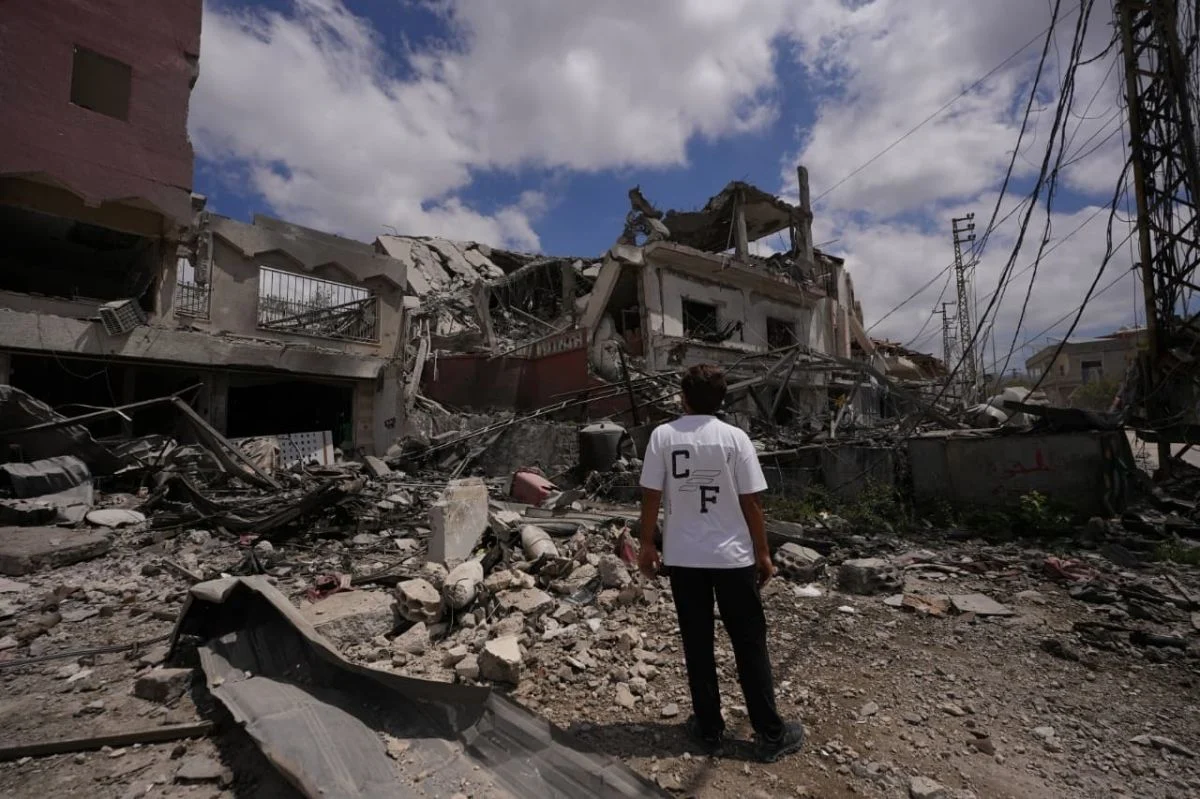
“We want nothing more than to go back, even if our home is destroyed,” he told Xinhua. “We can rebuild it, but living away without knowing what comes next is hardest.”
Across Lebanon, displaced families follow regional diplomacy with hope that easing tensions may lead to a ceasefire and return home.
Hope rose after reports of an Iran–U.S. memorandum aimed at ending hostilities and reducing escalation.
Lebanon’s Ministry of Social Affairs says around 780,000 people are registered as displaced, though the real figure is higher.
Displacement has stretched into months, bringing rising rents, shrinking savings, and reduced access to basic needs. Families cut food spending and rely on cheaper staples.
Children continue asking when they will return home, deepening emotional strain.
In the south, more than 68 towns and villages have suffered heavy destruction, with homes, roads, and farms damaged.
Despite fragile hope, families say recovery depends not only on peace but also on rebuilding communities and restoring livelihoods.

At 'Your World in Words,' we share stories from all over the world to make friends, spread good news, and help everyone understand each other better.
© 2026
Rahbar International
Leave a Reply