
rki.news
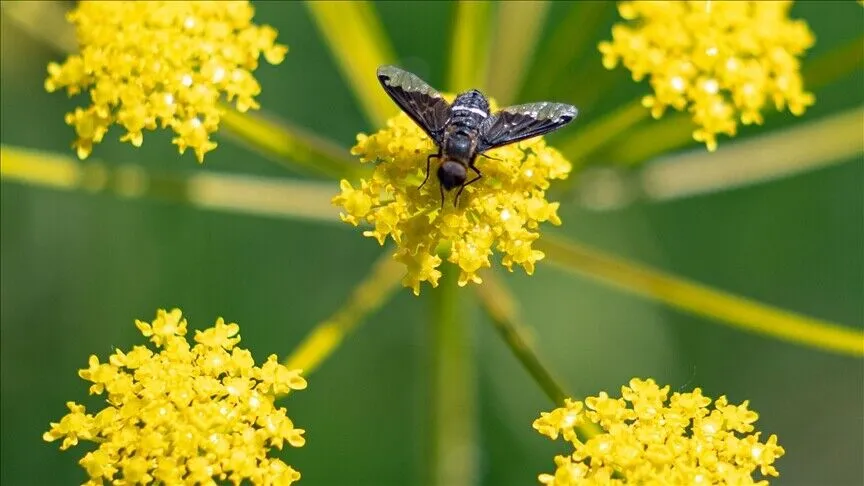
Scientists say Earth may host far more insect species than previously estimated, with millions still undiscovered, according to new statistical research published in Science.
The study suggests there could be as many as 20 million insect species worldwide, compared with about 1 million formally described and earlier estimates of around 6 million.
Researchers analysed biodiversity data from Costa Rica’s Guanacaste National Park, focusing on highly diverse groups such as parasitoid wasps, which lay eggs inside other insects. By comparing multiple survey methods, including trap data and parasitized caterpillars, they found limited overlap in recorded species, indicating that even intensive sampling captures only a small portion of local diversity.
Using statistical models adapted from epidemiology, the team estimated that the park alone could contain more than 300,000 insect species. They then extrapolated globally using biodiversity patterns linked to tree species diversity.
The results suggest Earth may contain between 13 million and nearly 25 million insect species, with a midpoint estimate of about 20 million.
Scientists say the findings highlight how current classifications significantly underestimate insect biodiversity. Experts also warn that many species may disappear before being documented due to habitat loss, climate change, and environmental degradation.
Researchers emphasize that the study underscores both the scale of unknown biodiversity and the urgency of conservation efforts to protect fragile ecosystems worldwide

At 'Your World in Words,' we share stories from all over the world to make friends, spread good news, and help everyone understand each other better.
© 2026
Rahbar International
Leave a Reply