
rki.news | Source: Xinhua
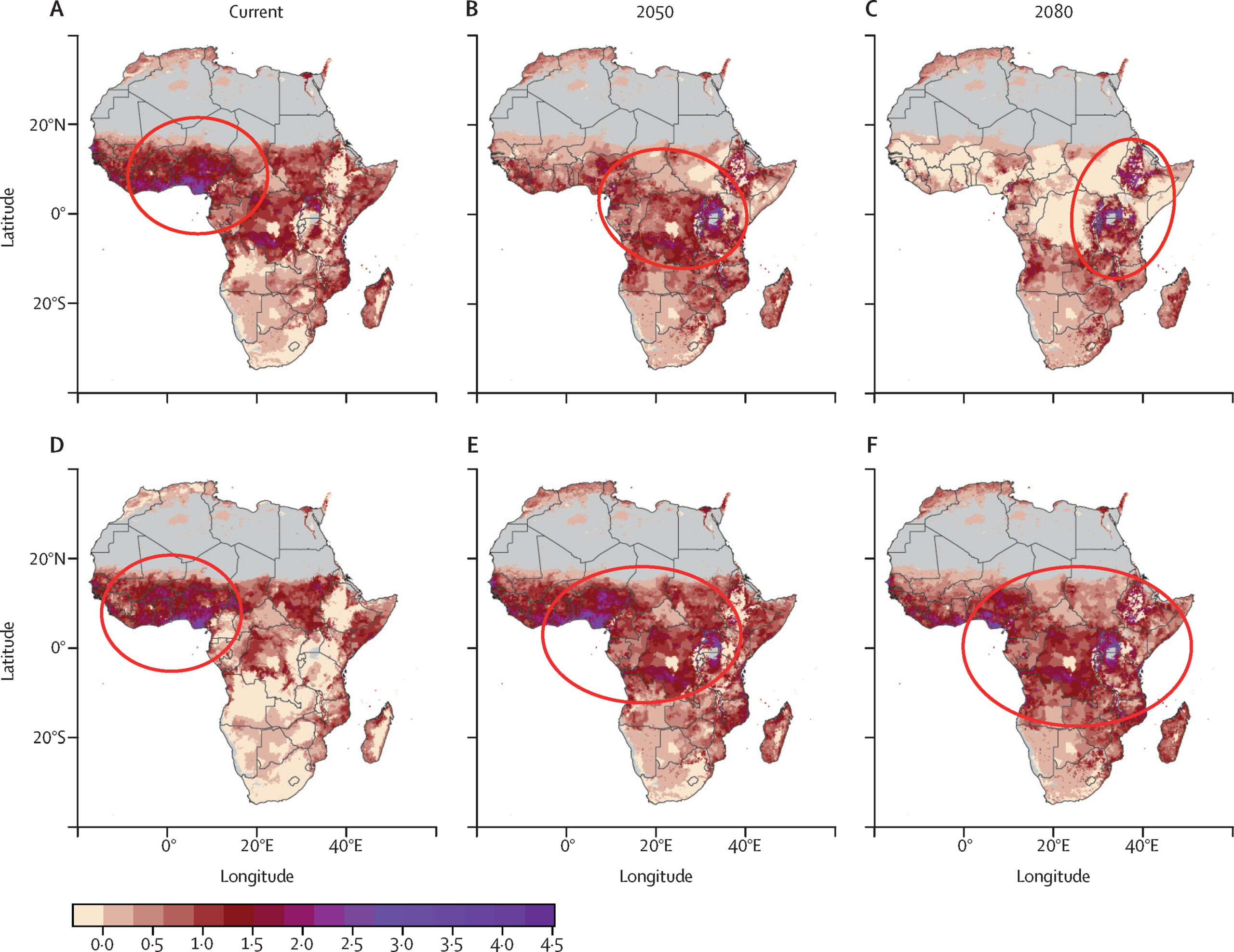
CAPE TOWN: August 4 (RKI): Climate change is reshaping the malaria landscape across Africa, increasing risks in some southern and eastern regions while reducing transmission in parts of the continent where the disease is already widespread, according to a new study.
Conducted by an international team of researchers, including the University of Cape Town (UCT), the study was published in the journal Nature and examined how rising temperatures are affecting malaria patterns.
Researchers found that climate change has slightly increased malaria risk overall, but impacts vary significantly between regions. In parts of West Africa, including Nigeria, Burkina Faso and Mali, higher temperatures could reduce malaria transmission as conditions become less suitable for mosquitoes.
However, cooler areas such as southern Africa and the East African highlands may face increased risks as warmer conditions support mosquito activity. The study projected malaria cases could rise in parts of Ethiopia, Kenya, Burundi, Angola, Zambia and northeastern South Africa.
Researchers warned that by 2100, malaria risk could increase significantly in some regions, requiring stronger health measures.
They stressed that governments, health systems and communities must adapt through prevention, disease control and climate action strategies.

At 'Your World in Words,' we share stories from all over the world to make friends, spread good news, and help everyone understand each other better.
© 2026
Rahbar International
Leave a Reply