Doha, January 19, 2026
The Fourth National Human Rights Forum was launched today in Doha, organized by the National Human Rights Committee (NHRC) in partnership with the Ministry of Interior, under the theme “Human Rights at the Heart of Drug Control: Challenges and Prospects for Sustainable Solutions.” The forum will continue over two days.
The event is organized in cooperation with the Ministry of Social Development and Family, the Ministry of Education and Higher Education, and the Ministry of Public Health, with broad participation from the Public Prosecution, the National Planning Council, the National Cyber Security Agency, the Gulf Cooperation Council (GCC), and the United Nations Office on Drugs and Crime (UNODC). Representatives from UN agencies, civil society institutions, and national media outlets are also taking part.
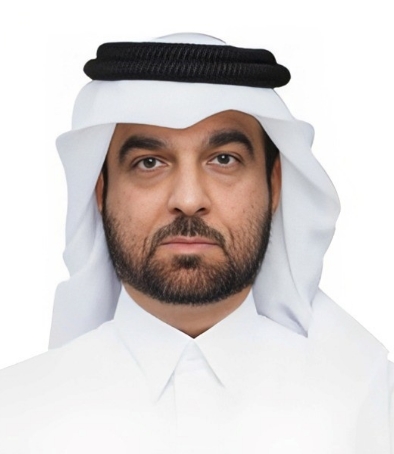
HE Sultan bin Hassan Al Jamali, Secretary-General of the NHRC, stated that drug abuse and illicit trafficking constitute one of the gravest challenges to human rights globally. He emphasized that drugs have a direct and devastating impact on fundamental rights, including the right to life, the right to physical and mental health, and the right to an adequate standard of living, while also hindering progress toward sustainable development goals.
He noted that the United Nations has long recognized the seriousness of the issue and has worked to strengthen international legal frameworks through three core conventions: the Single Convention on Narcotic Drugs of 1961 as amended by the 1972 Protocol, the Convention on Psychotropic Substances of 1971, and the 1988 United Nations Convention against Illicit Traffic in Narcotic Drugs and Psychotropic Substances. These instruments form the cornerstone of the global drug control system.
Al Jamali commended the State of Qatar’s efforts in combating drugs, affirming that the country represents a successful model of safety and efficiency in drug control and prevention. He noted that Qatar’s robust policies and preventive measures have resulted in the absence of any international indicators warning of drug abuse or trafficking risks within the country.
Despite these achievements, he warned that global developments, including the expansion of transnational drug networks, the unethical use of modern technologies, and instability in certain regions, necessitate continuous vigilance and prioritization of drug control efforts worldwide.
The forum, which includes eight specialized sessions, aims to reinforce a human rights-based approach in legislation, public policies, and national strategies related to drug control. It also seeks to establish a comprehensive national dialogue platform to review challenges, share experiences, promote awareness, and develop practical recommendations that place human rights at the core of drug prevention and control efforts.
| Ad | wp_the_query |
|---|---|
| post_id: 46572 is_singular: 1 |
| Ad | wp_the_query |
|---|---|
| post |
At 'Your World in Words,' we share stories from all over the world to make friends, spread good news, and help everyone understand each other better.
© 2026
Rahbar International
Leave a Reply