
rki.news
Altaf Hamid Rao.
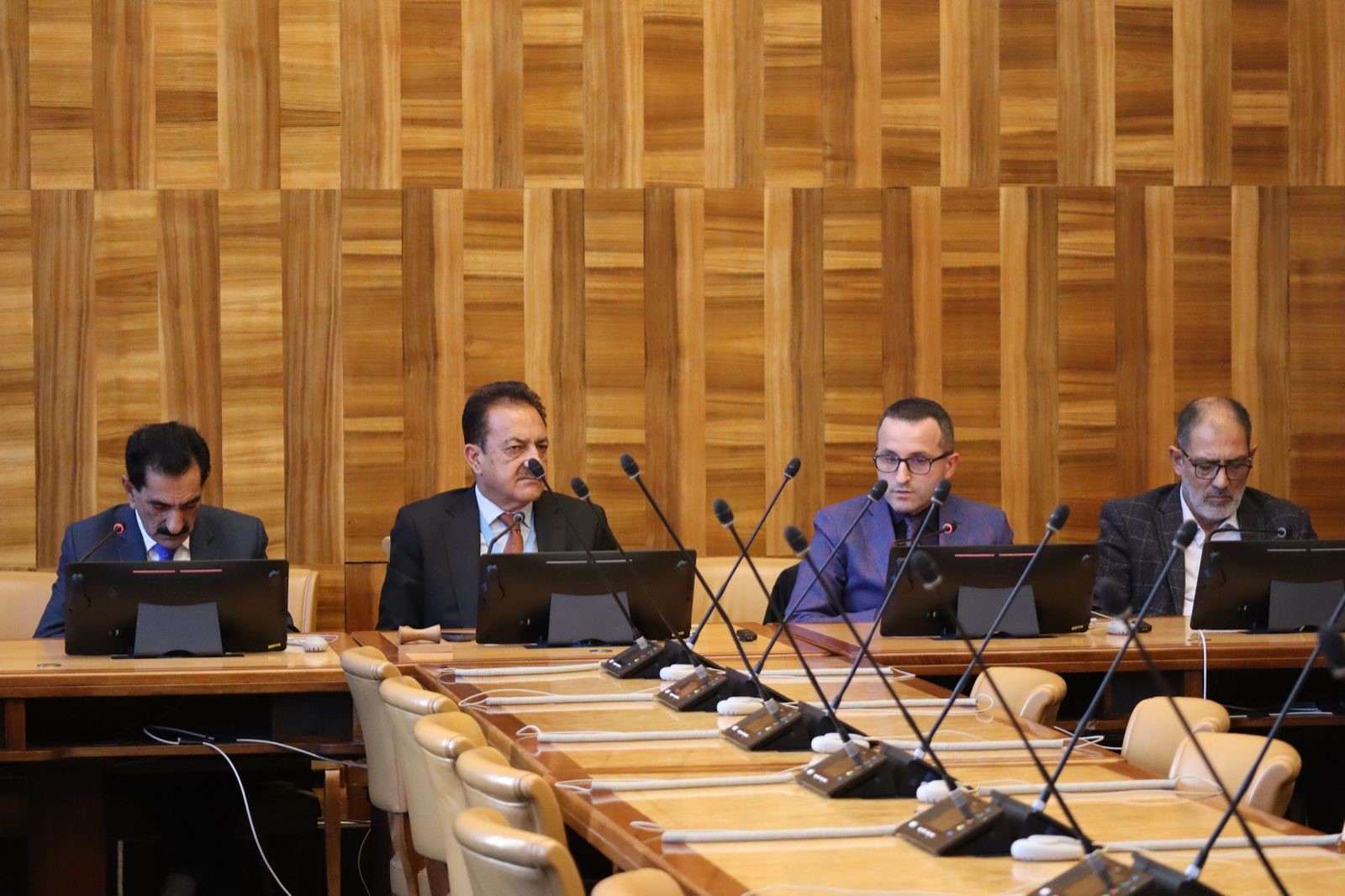
MIRPUR (AJK): March 3 — International Action for Peace and Sustainable Development convened a seminar titled “Shrinking Spaces” on the sidelines of the 61st session of the UN Human Rights Council in Geneva to spotlight what participants described as the sustained erosion of civic space in Indian Illegally Occupied Jammu and Kashmir.
The event, presided over and moderated by Sardar Amjad Yousaf, President of the organization, brought together academics, human rights advocates, and representatives to examine the scale and methods of restrictions imposed in the region and to call for greater international and corporate accountability. Organizers said the objective was to ensure that concerns regarding civic freedoms in Kashmir are heard at the center of international human rights policymaking.
According to details shared with the media, speakers outlined what they termed systematic legal repression through laws such as the Public Safety Act (PSA), Armed Forces Special Powers Act (AFSPA), and Unlawful Activities (Prevention) Act (UAPA). They said these measures have enabled prolonged detentions without trial, limited accountability for security forces, and curtailed peaceful political activity.
Participants also discussed what they described as a “digital siege,” referring to one of the longest communications blackouts in recent history, including a 552-day internet shutdown, followed by reduced internet speeds and tighter controls on online platforms. These actions, they argued, have significantly constrained journalism, civic engagement, and freedom of expression.
Concerns were raised over media restrictions, including the closure of outlets, advisories described as prior restraint, limited access for international journalists requiring official clearance, and legal proceedings against local reporters. The panel further highlighted the detention and prosecution of human rights defenders and political leaders, including Khurram Parvez, citing the impact on civil society and political representation.
Speakers also warned that the increasing use of biometric systems, facial recognition tools, and AI-driven monitoring mechanisms in the region could set precedents for wider civic-space restrictions globally if left unchecked. They stressed that such technologies require strict safeguards and independent oversight to prevent abuse.
Dr. Blerim Mustafa of the Geneva Nations Institute analyzed the legal framework underpinning prolonged emergency measures, warning that such practices risk becoming models for broader civic-space restrictions elsewhere. Mr. Altaf Hussain Wani and Advocate Parvez Ahmed Shah also addressed the humanitarian and political consequences for the Kashmiri population.
The seminar concluded with calls for independent UN access to the region, review and possible release of individuals detained for peaceful dissent, safeguards against misuse of surveillance technologies, and strengthened international monitoring to uphold commitments under global human rights frameworks.

At 'Your World in Words,' we share stories from all over the world to make friends, spread good news, and help everyone understand each other better.
© 2026
Rahbar International
Leave a Reply