
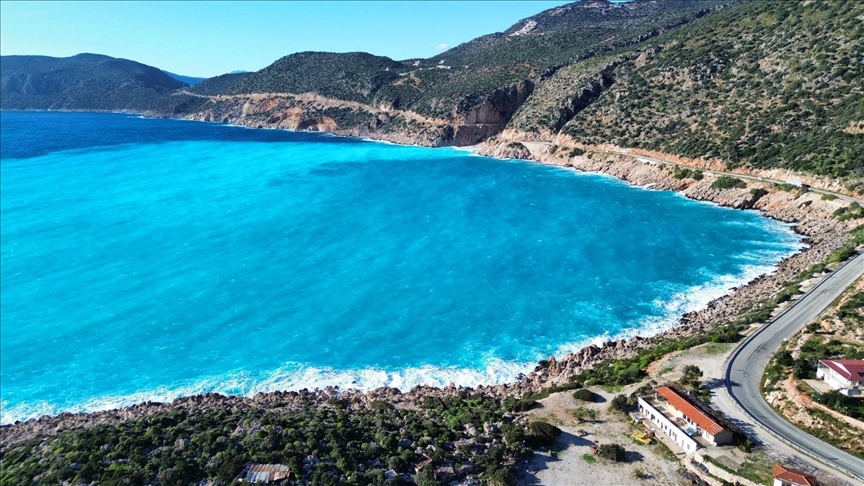
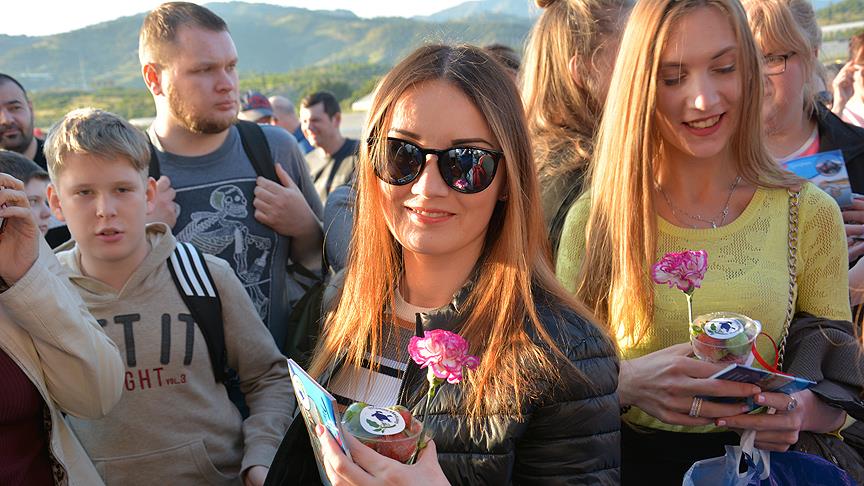
Rusya Tur Operatörleri Birliğinden yapılan açıklamada, haziran tatilinde Türkiye’nin bir numaralı tercih olacağı belirtildi. ( Emre Gürkan Abay – Anadolu Ajansı )
rki.news
Sources: Anadolu Agency
ISTANBUL: Türkiye continues to attract the highest number of Russian tourists despite rising geopolitical tensions in the Middle East, strengthening its position as a leading travel destination for the 2026 summer season.
According to the Russian Association of Tour Operators (ATOR), growing instability in the region is encouraging Russian travelers to choose Türkiye for both leisure and business trips instead of Gulf destinations. Data from the Turkish Culture and Tourism Ministry shows that about 6.7 million Russian tourists visited Türkiye in 2024, while the number rose to 6.9 million in 2025.
Tourism experts attribute Türkiye’s strong performance to its extensive flight connections, developed hospitality infrastructure and tourism services tailored to Russian visitors. All-inclusive resorts, convenient travel options and competitive pricing have further strengthened Türkiye’s position in the market.
Mayal Lomidze, president of ATOR, said that although destinations such as Egypt and Gulf countries remain popular, regional instability linked to the conflict involving Iran is redirecting both tourism and business travel away from hubs like Dubai and the United Arab Emirates toward Türkiye.
Cemil Hakan Kilic, director of the Istanbul Convention and Visitors Bureau, said the changing geopolitical environment is also benefiting Türkiye’s meetings and conferences sector. Speaking during the Moscow International Tourism and Travel event, he noted that Istanbul’s position as a global transit hub supported by Turkish Airlines strengthens its role as an international destination.
Popular destinations for Russian travelers include coastal resorts such as Antalya and major cities like Istanbul, while officials are also promoting cultural tourism sites including Cappadocia.
Officials say Türkiye’s tourism sector remains resilient and capable of benefiting from shifting global travel trends.

At 'Your World in Words,' we share stories from all over the world to make friends, spread good news, and help everyone understand each other better.
© 2026
Rahbar International
Leave a Reply