rki.news | Sources Anadolu
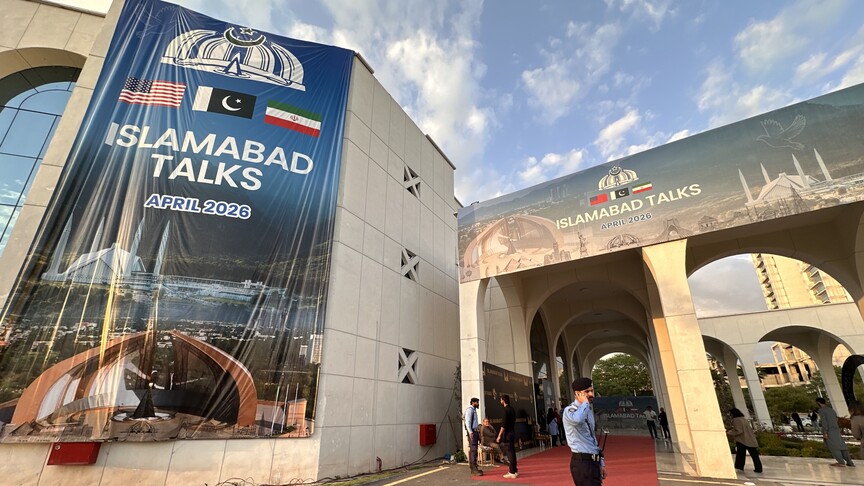
ISLAMABAD, April 11: A fresh round of trilateral negotiations involving the United States, Iran, and Pakistan resumed late Saturday in Islamabad as diplomatic efforts intensified to ease regional tensions and build momentum toward lasting peace.
According to officials familiar with the development, the latest phase of talks began shortly before midnight following a dinner recess and is expected to continue into a second day due to the complexity of the discussions.
The negotiations follow earlier rounds of indirect dialogue that gradually progressed into direct face-to-face meetings between the American and Iranian delegations, reflecting cautious optimism among participants.
Before breaking for meals, both sides reportedly exchanged written proposals, signaling measured progress in the sensitive and high-stakes diplomatic process.
The US delegation is being led by Vice President JD Vance, accompanied by Special Envoy Steve Witkoff and senior adviser Jared Kushner.
Representing Iran are Parliament Speaker Mohammad Bagher Qalibaf, Foreign Minister Abbas Araghchi, and senior security official Ali Bagheri Kani.
Senior Pakistani officials are facilitating the negotiations, reinforcing Islamabad’s growing role as a key regional mediator and host for critical diplomatic engagement.
Iranian state media reported that technical teams from both the US and Iranian sides are simultaneously engaged in specialized committee-level discussions to address complex policy and security matters.
Officials close to the Iranian delegation described the negotiations as having entered a “sensitive phase,” while noting that significant differences remain between the positions of the two sides.
Pakistan is hosting the dialogue as part of broader international efforts to prevent further escalation in the region and strengthen a fragile two-week ceasefire brokered earlier this week.
The Islamabad talks are widely being viewed as a crucial diplomatic opportunity to reduce tensions and seek a broader framework for regional stability.
| Ad | wp_the_query |
|---|---|
| post |
| Ad | wp_the_query |
|---|---|
| 8,21,3 | post_id: 51124 is_singular: 1 |
At 'Your World in Words,' we share stories from all over the world to make friends, spread good news, and help everyone understand each other better.
© 2026
Rahbar International
Leave a Reply