
rki.news
Source: UzA, Dunyo IA
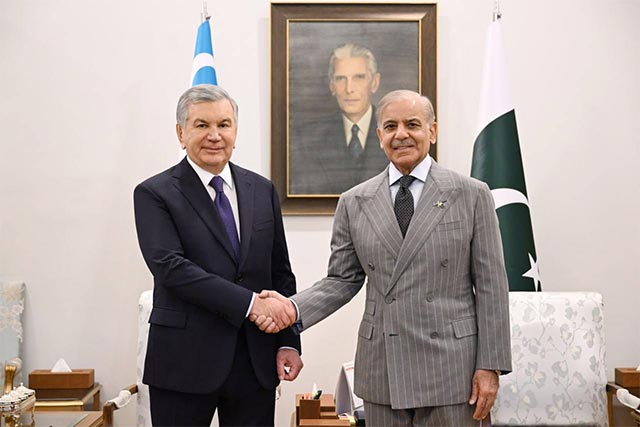
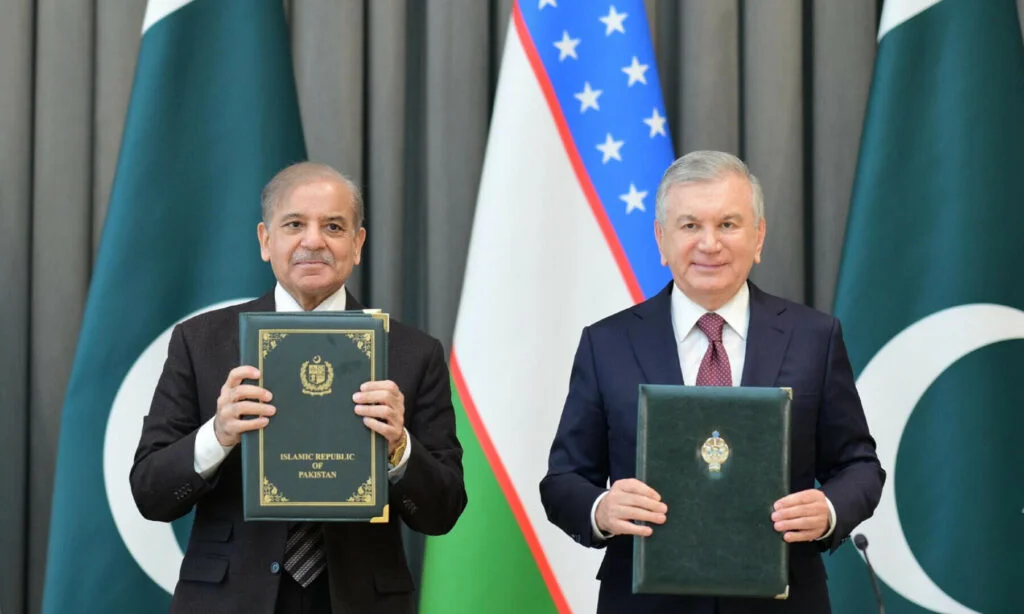
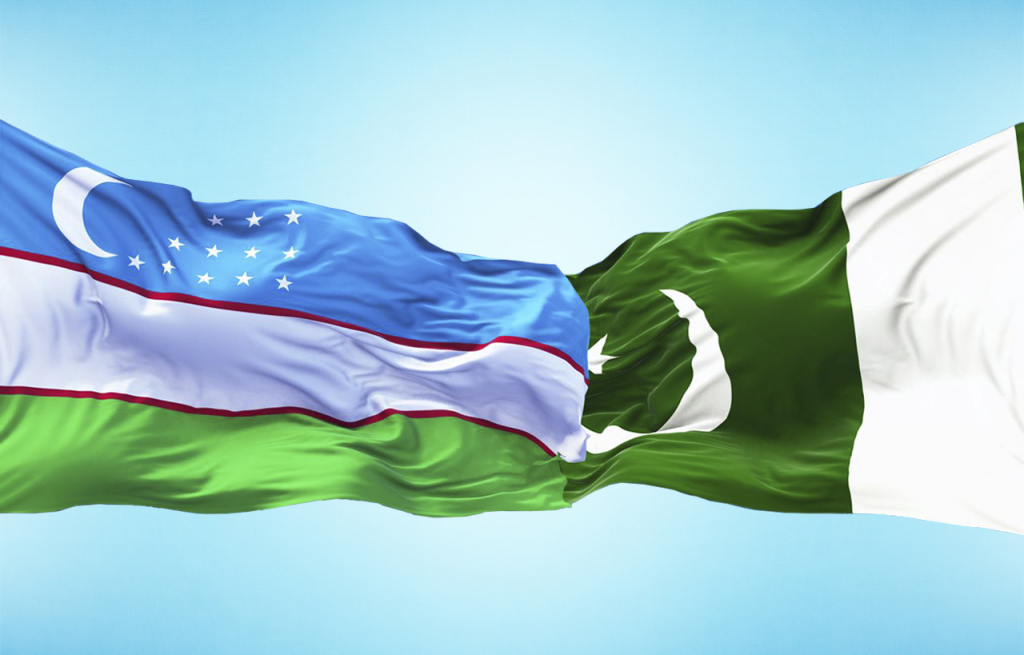
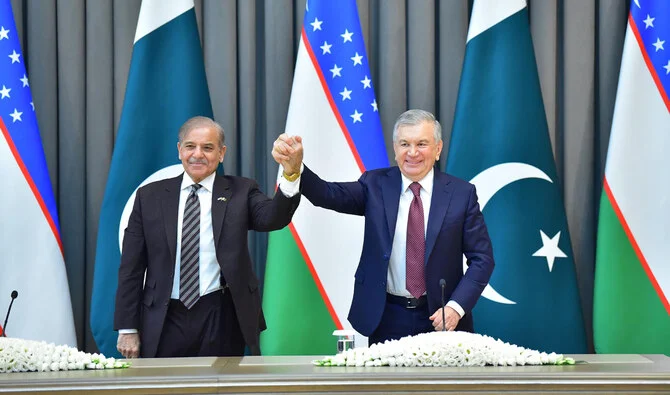
The state visit of President of Uzbekistan Shavkat Mirziyoyev to Pakistan on February 5–6 marks an important stage in the deepening strategic partnership between the two countries. It reflects the sustained momentum in bilateral engagement and corresponds with Uzbekistan’s foreign policy priority of expanding cooperation with South Asian partners. The visit also comes at a time when Central and South Asia are increasingly viewed as interconnected and complementary regions linked by shared economic interests, historical ties, and civilizational heritage.
Pakistan was among the first states to recognize Uzbekistan’s independence on December 20, 1991, and diplomatic relations were established on May 10, 1992. In recent years, bilateral ties have entered a new, strategic phase characterized by systematic high-level dialogue. A key milestone was the signing of the Joint Declaration on Establishing a Strategic Partnership in July 2021, which formalized the intention to deepen cooperation across political, economic, and humanitarian spheres.
President Mirziyoyev’s visit to Pakistan in March 2022 confirmed the alignment of Tashkent and Islamabad on regional development, stabilization in Afghanistan, and strengthening connectivity between Central and South Asia. Regular contacts at multilateral platforms—including the Shanghai Cooperation Organization (SCO), the Conference on Interaction and Confidence-Building Measures in Asia (CICA), the Economic Cooperation Organization (ECO), and global summits—have further strengthened trust and pragmatic cooperation.
A significant development occurred during the official visit of Prime Minister Shehbaz Sharif to Uzbekistan in February 2025. The visit resulted in the signing of a Joint Declaration and a Protocol establishing a High-Level Strategic Partnership Council, creating a structured mechanism for coordinating bilateral initiatives and monitoring implementation. In June 2025, both sides adopted a comprehensive Action Plan outlining concrete measures to advance political, trade, economic, and humanitarian cooperation, reinforcing the transition from strategic intent to practical implementation.
Political dialogue remains central to the partnership, particularly through active engagement between the Ministries of Foreign Affairs. Regular consultations enable coordination on key regional and international issues, including security, sustainable development, reform of multilateral institutions, and the situation in Afghanistan. Both countries cooperate closely within the United Nations, SCO, ECO, and the Organization of Islamic Cooperation, promoting principles of sovereignty, non-interference, and regional stability. Particular attention is given to supporting a political-diplomatic settlement in Afghanistan and its integration into regional economic processes.
Inter-parliamentary cooperation has expanded through regular exchanges and legislative dialogue. In April 2025, a Pakistani delegation led by Senate Chairman Yusuf Raza Gilani visited Uzbekistan to participate in the 150th Assembly of the Inter-Parliamentary Union and met with Uzbekistan’s leadership. In September 2025, an Uzbek parliamentary delegation headed by Speaker Nuriddinjon Ismoilov visited Pakistan for consultations with parliamentary and government representatives, contributing to strengthened institutional ties.
Economic cooperation demonstrates steady progress. Both governments have set a target of increasing bilateral trade to $2 billion. By the end of 2025, trade turnover reached $445.8 million, reflecting growing confidence between business communities. Uzbekistan exports agricultural products, cotton yarn, chemical goods, and transport services, while Pakistan supplies pharmaceuticals, textiles, food products, and light industry goods. Beyond trade, both sides prioritize industrial and investment cooperation, particularly in pharmaceuticals, textiles, and leather manufacturing, including joint ventures and localization initiatives aimed at increasing added value and accessing third-country markets.
Transport and logistics connectivity is a strategic priority. Uzbekistan places emphasis on access to Pakistani seaports—Karachi and Gwadar—to diversify trade routes. A flagship initiative is the Trans-Afghan Railway project involving Uzbekistan, Afghanistan, and Pakistan. The signing of a framework agreement in July 2025 marked an important step toward implementation. The project is expected to reduce transit time and costs while strengthening economic integration between Central and South Asia.
Tourism and people-to-people exchanges are expanding rapidly. Visa liberalization, restoration of direct air links, and active tourism promotion have driven growth in travel. Weekly flights increased from one in early 2025 to four connecting Tashkent, Islamabad, and Lahore. Pakistani tourist arrivals in Uzbekistan rose from 5,400 in 2024 to over 18,000 in 2025, particularly in ziyarat tourism, generating positive economic impact.
Cultural and humanitarian ties, rooted in shared historical heritage, continue to develop through festivals, exhibitions, academic exchanges, and cooperation between research institutions. Growing interest in Uzbekistan’s reform and modernization agenda further strengthens mutual understanding.
President Mirziyoyev’s visit is expected to provide renewed impetus to the strategic partnership, expand economic and transport cooperation, deepen humanitarian engagement, and reaffirm both countries’ commitment to sustainable regional connectivity and stability.

At 'Your World in Words,' we share stories from all over the world to make friends, spread good news, and help everyone understand each other better.
© 2026
Rahbar International
Leave a Reply