rki.news
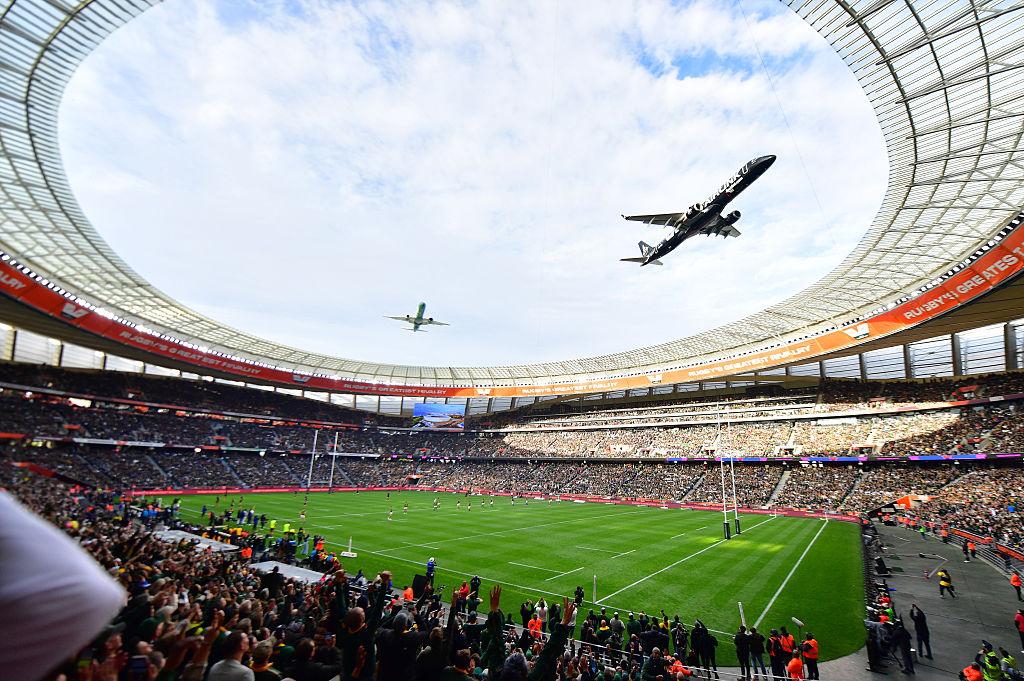
CAPE TOWN, South Africa – September 4, 2026 – A dramatic low-altitude flypast by two passenger jets over Cape Town’s DHL Stadium before a rugby match between South Africa and New Zealand has sparked international attention and prompted a review by South African aviation authorities.
The two Airlink aircraft flew in formation over the stadium on August 29, shortly before the Springboks faced the All Blacks in the second Test of the Rugby’s Greatest Rivalry series. Videos of the spectacular flypast quickly spread across social media, attracting widespread public reaction.
According to flight-tracking data, the lead aircraft passed less than 50 feet above the top of the stadium. Flightradar24 estimated the clearance at approximately 41 to 46 feet above the stadium roof.
The South African Civil Aviation Authority (SACAA) confirmed that it is reviewing the flypast after questions and concerns were raised about the operation.
The authority said it had obtained the flight data recordings from the aircraft and requested additional information from Airlink. A full report with recommendations will be issued once the assessment has been completed.
Airlink has defended the operation, saying safety was the first consideration throughout the planning and execution of the flypast. The airline said the operation involved extensive planning, rehearsal and guidance from the SACAA and Air Traffic Navigation Services.
The two aircraft were operated by crews comprising three senior captains each, with the crews having more than 75,000 combined flight hours of experience. Airlink also voluntarily provided the aircraft’s digital flight data recordings to support the regulatory review.
The spectacular display received an enthusiastic response from the crowd inside the stadium, with around 56,000 spectators attending the rugby match. However, the unusually low flight path also triggered debate among aviation observers and the public over the safety margin involved.
Airlink had planned another flypast in connection with the rugby series but subsequently withdrew its application. The company said unfavourable weather conditions were a factor in the decision and stressed that safety remained its priority.
The incident has become one of the most widely shared sporting spectacles surrounding the South Africa-New Zealand rugby series, combining the excitement of international rugby with an extraordinary aviation display that has now drawn regulatory scrutiny.