
Tashkent Exclusive
rki.news
Bringing Uzbekistan’s Positive Image to the Pakistani Public Has Always Been My Top Priority
Exclusive Interview with Dr. Abdul Rehman
By Haroon Rashid Qureshi
Editor-in-Chief, Rahbar Kisan International
Introduction
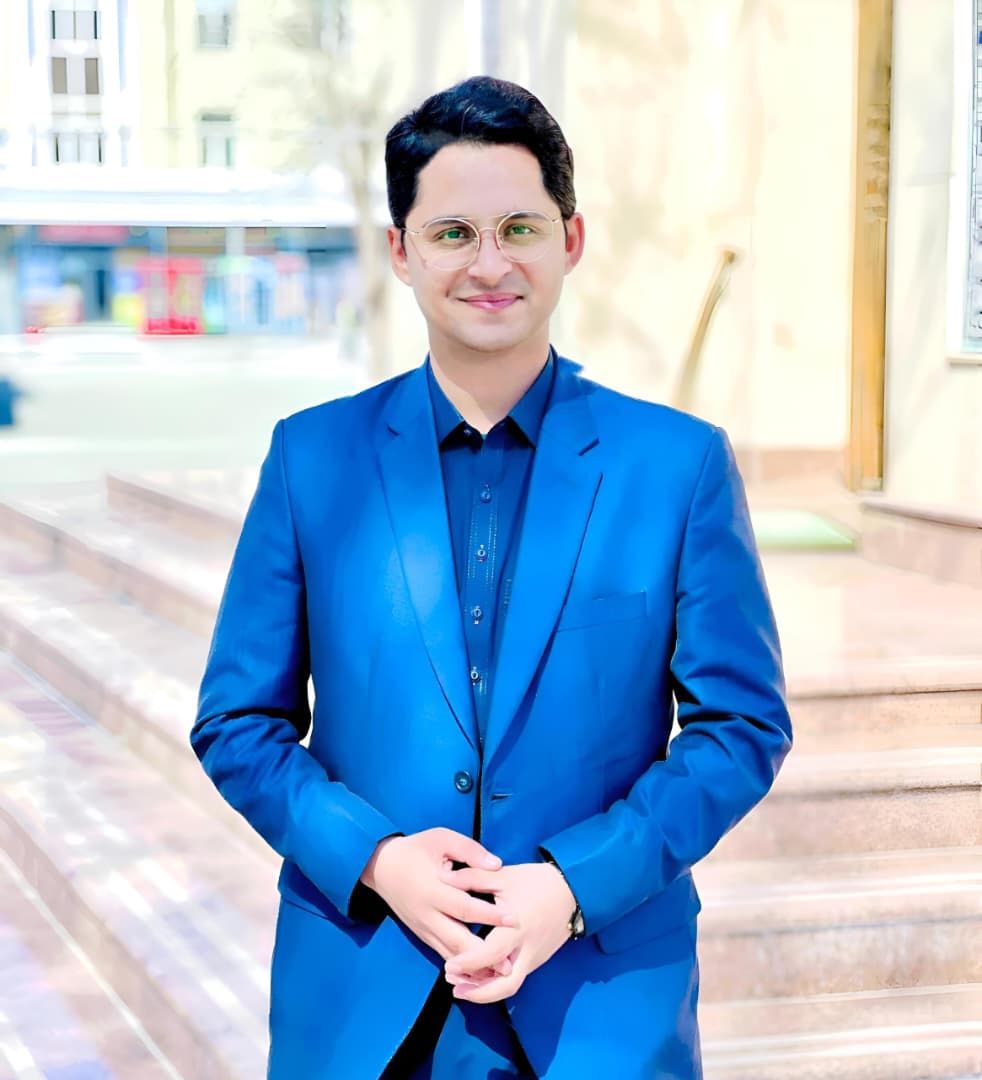
Dr. Abdul Rehman, a well-known Pakistani journalist, researcher, and media professional based in Uzbekistan, has been actively contributing for several years to strengthening people-to-people, cultural, and media relations between Pakistan and Uzbekistan.
This exclusive feature is based on a detailed conversation conducted by Haroon Rashid Qureshi, Editor-in-Chief of Rahbar Kisan International, in which Dr. Abdul Rehman shared his experiences, professional journey, and the role of media in enhancing bilateral relations.
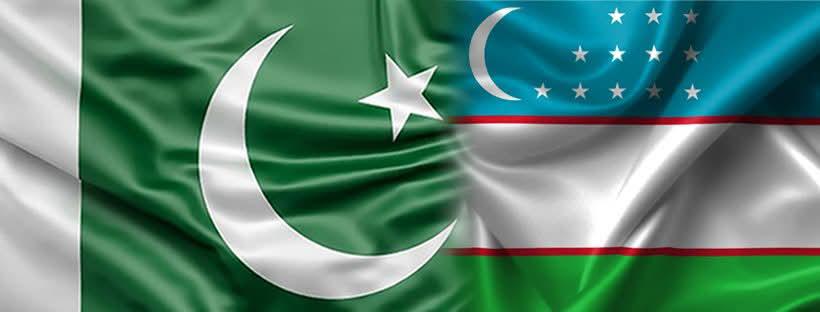
Pakistan and Uzbekistan’s media diplomacy represents, in Dr. Abdul Rehman’s view, a powerful and modern tool of engagement between nations. In today’s world, media is no longer just a means of information but a strong instrument of diplomacy. While traditional diplomatic channels continue to play their role in strengthening state-to-state relations, media plays a crucial role in shaping public perception and building mutual understanding between the people of both countries. He emphasizes that in recent years, various sectors have contributed to strengthening Pakistan–Uzbekistan relations, but media-driven engagement holds particular significance in bringing both nations closer at the public level.
Speaking about his personal journey and mission, Dr. Abdul Rehman highlights that his primary objective has always been to strengthen relations between Pakistan and Uzbekistan. He has consistently worked toward bringing the people of both countries closer while presenting a positive and vibrant image of Uzbekistan to the Pakistani public and the world.
Reflecting on Uzbekistan’s historical and cultural heritage, he explains that over the past three to four years, he has made extensive efforts to introduce Uzbekistan’s historical, cultural, and tourism destinations to Pakistani media. Iconic cities such as Samarkand, Bukhara, Khiva, and Tashkent, along with their rich cultural legacy, ancient civilization, architectural masterpieces, and tourist attractions, have been prominently featured across major Pakistani media platforms. Through these reports and documentary productions, millions of Pakistani viewers have been introduced to the history, beauty, and cultural richness of Uzbekistan.
He further shares that he has extensively covered various cultural festivals, traditional events, arts programs, and public gatherings held across Uzbekistan. These activities were repeatedly broadcast on both state and private media channels in Pakistan, significantly enhancing Uzbekistan’s positive international image.
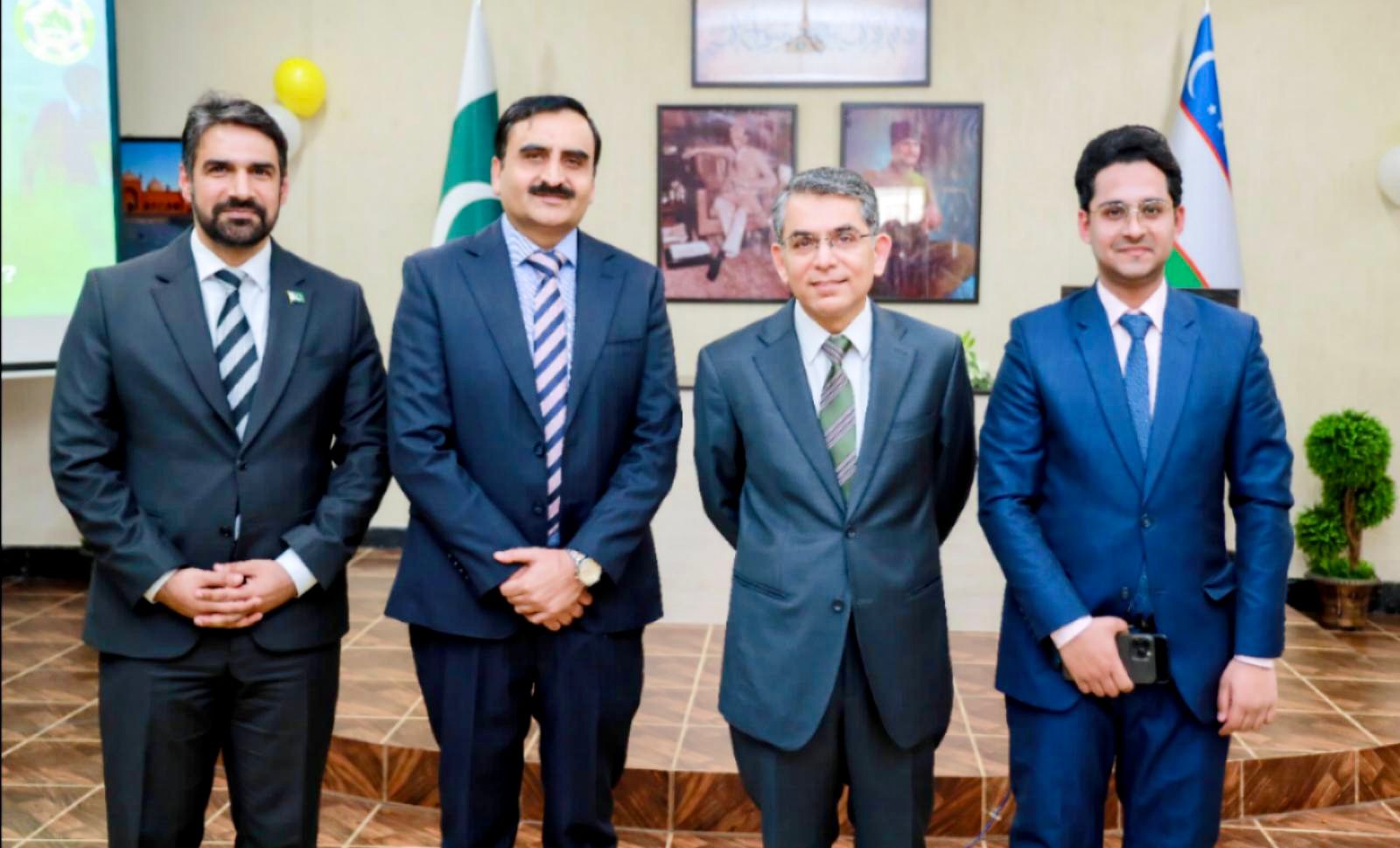
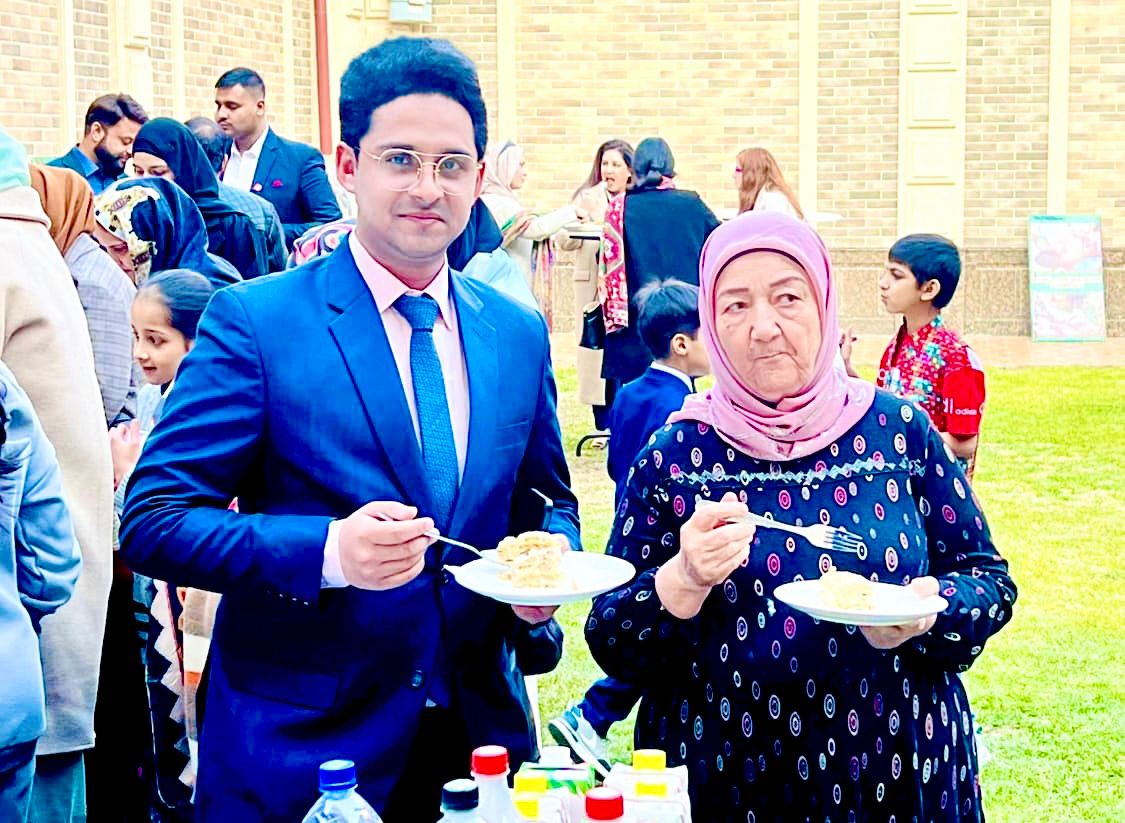
Dr. Abdul Rehman also highlights his continued involvement with the Embassy of Pakistan in Tashkent and the Pakistani community. Over the years, he has consistently covered national celebrations, cultural programs, and diplomatic activities organized by the Embassy, presenting them effectively through Pakistani media outlets. According to him, his efforts have also focused on highlighting the activities of the Pakistani community in Uzbekistan, ensuring that their contributions are visible not only in Pakistan but also among Pakistanis worldwide, thereby promoting a positive image of Uzbekistan internationally.
Discussing media representation, he notes that cultural and historical stories from Uzbekistan were not limited to small platforms but were broadcast repeatedly on major Pakistani national television networks. Nearly a dozen leading news channels aired hundreds of positive and informative segments about Uzbekistan at different times, resulting in increased public interest and stronger people-to-people connections between the two countries.
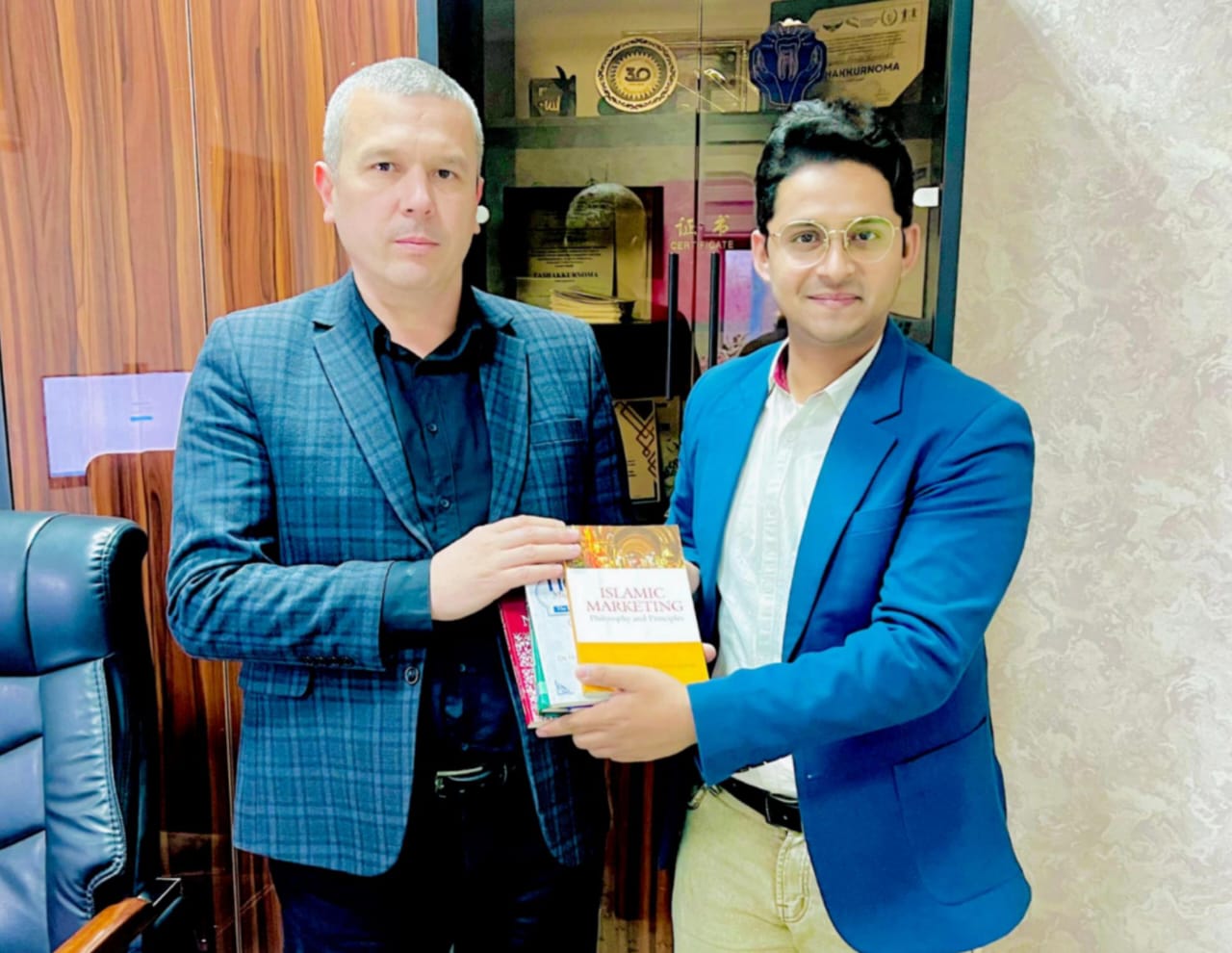
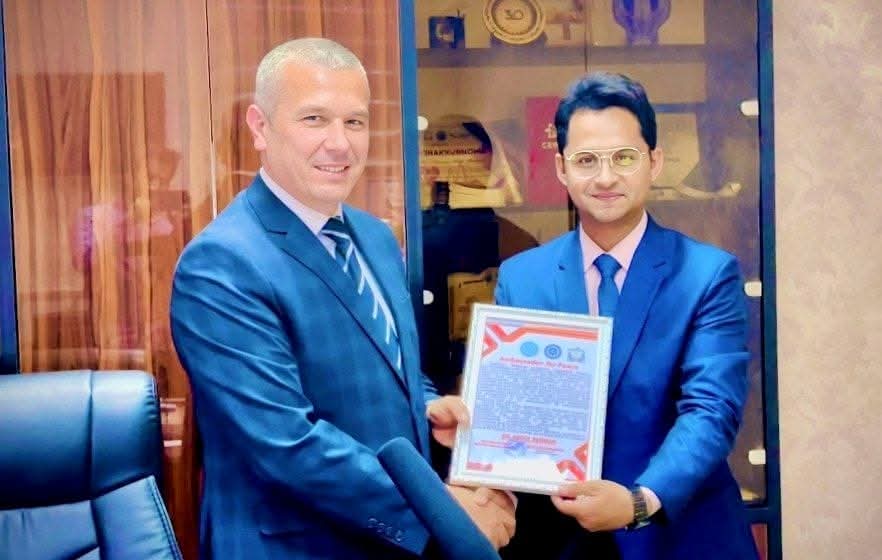
Speaking about recognition and appreciation, Dr. Abdul Rehman emphasizes that mutual understanding between nations grows when people learn about each other’s culture, history, and traditions. Through his work, he has presented Uzbekistan’s historical heritage, cultural diversity, religious landmarks, modern development, and everyday social life to the Pakistani audience. His efforts have been widely acknowledged by local government and social institutions in Uzbekistan. On several occasions, he has been appreciated by various official bodies, including the Ministry of Foreign Affairs of Uzbekistan. He has also been honored with an award by the Urgench State Medical Institute in recognition of his contributions.
Regarding future relations between Pakistan and Uzbekistan, particularly in terms of air connectivity and cooperation, he observes significant progress in recent years. The launch of direct flights between the two countries stands as a key milestone in strengthening bilateral ties. Initially limited in number, these flights have gradually increased over time. Direct air routes between Tashkent, Lahore, and Islamabad have further strengthened, improving travel convenience and people-to-people connectivity. He believes that more air routes are expected in the near future, which will further consolidate bilateral relations and enhance cooperation between the two friendly nations.
This conversation clearly reflects that in the modern era, media is not only a tool for communication but also a powerful bridge that connects nations and strengthens diplomatic relations. Dr. Abdul Rehman’s work stands as a strong example of how media, when used constructively and positively, can bring the people of two countries closer, deepen mutual understanding, and strengthen long-term cultural and diplomatic ties between Pakistan and Uzbekistan.

At 'Your World in Words,' we share stories from all over the world to make friends, spread good news, and help everyone understand each other better.
© 2026
Rahbar International
Leave a Reply