
rki.news | Sources: Xinhua
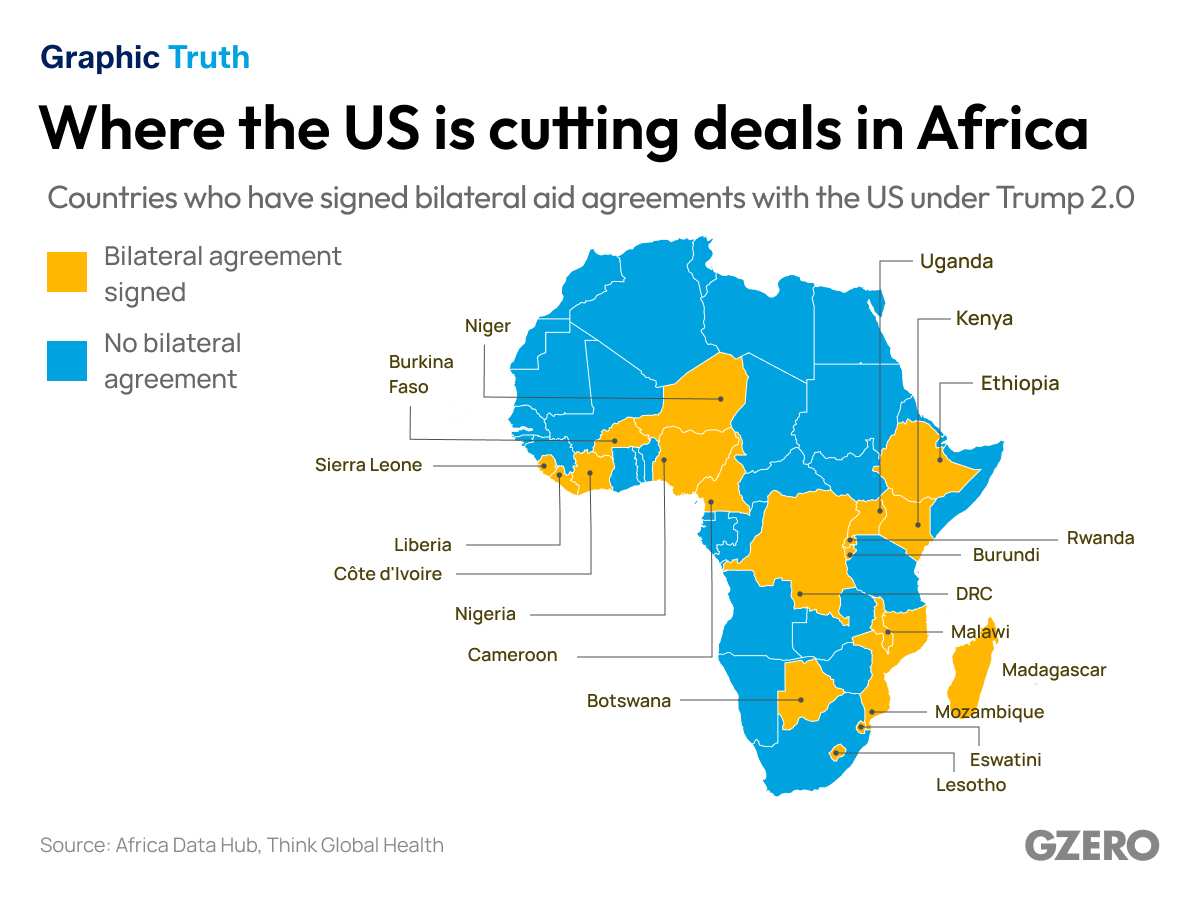
NAIROBI, July 30: Several African countries have raised concerns over new US health assistance agreements, questioning conditions linked to data sharing, natural resources and regulatory policies under Washington’s “America First Global Health Strategy.”
The strategy aims to reshape US global health support through bilateral agreements, with Washington signing health cooperation memorandums with more than 30 countries since December 2025, valued at around $20 billion.
However, some African governments and analysts have criticized provisions they describe as unequal. Ghana rejected a proposed agreement over concerns about access to citizens’ health data, while Zimbabwe and Zambia also raised objections to terms involving biological information and mineral resources.
Critics argue that transferring health databases and digital systems to foreign entities could threaten national sovereignty and privacy. Some African experts have described such arrangements as “digital colonialism,” warning against external control of sensitive health information.
Kenya has faced similar opposition over a health cooperation framework involving US funding and data requirements. Legal challenges followed, and the agreement remains under review.
Analysts say linking health assistance with strategic interests, including access to critical minerals, risks turning humanitarian cooperation into a political and economic negotiation.
African officials have called for partnerships based on equality, transparency and respect for national laws, stressing that health cooperation should strengthen local systems rather than reduce countries’ control over their resources and data.

At 'Your World in Words,' we share stories from all over the world to make friends, spread good news, and help everyone understand each other better.
© 2026
Rahbar International
Leave a Reply