rki.news
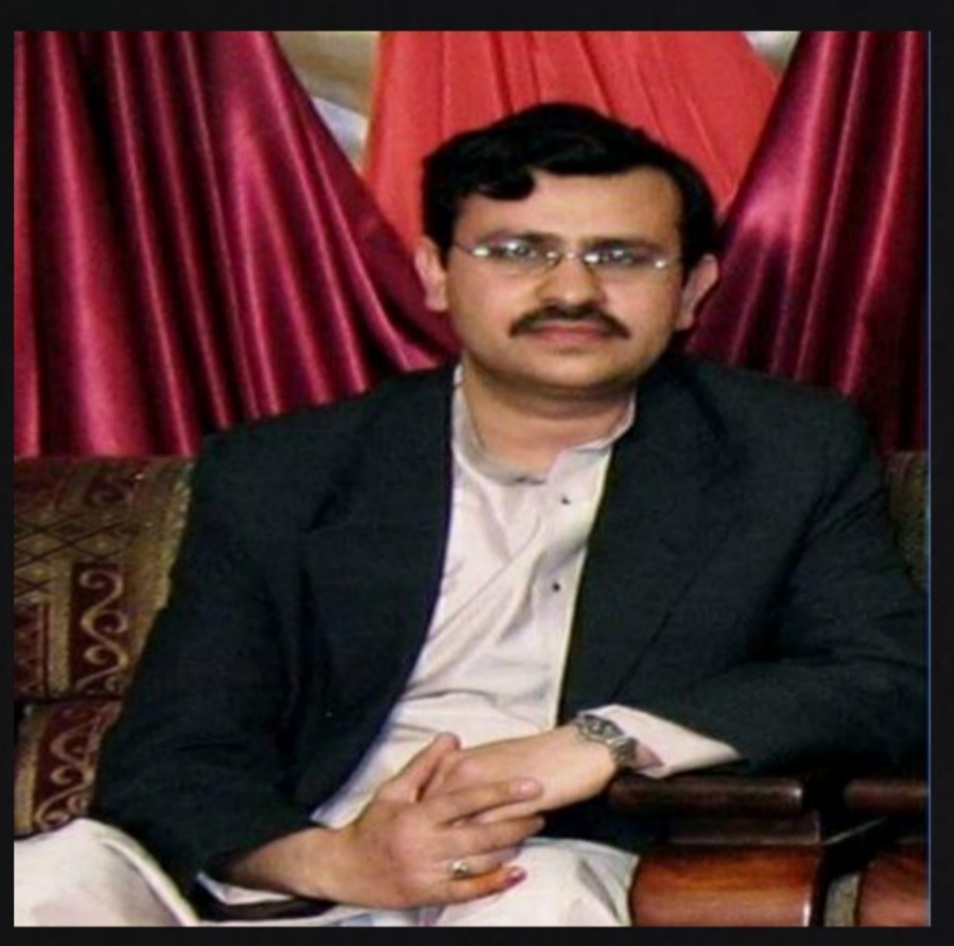
Amir Muaan
……………………
The latest BRICS summit was held in New Delhi, the capital of India, on September 12 and 13, 2026. The summit, held at India’s renowned convention centre, Bharat Mandapam, focused on the theme: “A strong alliance is the need of the hour to build innovation, cooperation and sustainability.”
In a joint statement bricks urges maximum restraint in mideast, condemns strikes on Nuclear plantes as breaches of international law. Calls for ceasefires in gaza, Lebanon, Sudan and Syria. Protection of global trade routes.
BRICS was established in 2006. Initially, it consisted of four founding members: Brazil, Russia, India and China. The organization was initially named BRIC, after the first letters of these four countries. In 2009, Its first summit was held in Russia. After South Africa joined the organization in 2010, its name was changed to BRICS. Between 2010 and 2025, six more countries: Egypt, Ethiopia, Iran, Saudi Arabia, the United Arab Emirates and Indonesia, joined the organization, bringing the number of permanent member states to 11.
Established with the aim of emerging as a strong alliance, BRICS began facing difficulties when differences among several of its member states became increasingly apparent. As a result, the organization has so far failed to achieve the level of effectiveness that had originally been expected of it.
As of example, new members such as Egypt and Ethiopia have their own regional disputes, which present a serious challenge for the organization to manage. Similarly, Iran, Saudi Arabia and the United Arab Emirates, all of which are directly or indirectly connected with the ongoing conflict in the Middle East, have their own differences. At present, BRICS has not been able to effectively safeguard the interests of any of these countries.
Even the founding members, India and China, have been unable to put aside their differences of several decades. Their border disputes and competition for greater regional influence continue to affect BRICS decisions.
The decisions taken following the current summit also do not appear to promise any major breakthrough. Nevertheless, these countries do seem to be moving towards playing a more significant role in the global arena. Since its establishment, BRICS has challenged the unilateral global dominance of the United States and European countries. Consequently, in global decision-making, the voices of Beijing, Moscow and New Delhi have also become increasingly important alongside Washington.
One of the major objectives of BRICS is to challenge the dominance of the US dollar in international trade. Russia, China and India now conduct more than 60 percent of their bilateral trade in their respective local currencies, the rupee, yuan and ruble. At the 2026 New Delhi summit, practical progress was also made towards linking the banking and payment systems of member states, such as India’s UPI, in an effort to reduce dependence on the Western SWIFT system.
Following the inclusion of Iran, Saudi Arabia and the United Arab Emirates, BRICS countries now control a very substantial share of global crude oil production and supply. However, because of differences among these countries, BRICS has so far been unable to fully capitalize on this economic strength.
The organization’s establishment of the New Development Bank (NDB) is another significant achievement. Since its inception, the bank has provided more than $32 billion in loans for development projects. It is also providing financial assistance to developing countries without imposing the stringent political conditions often associated with institutions such as the World Bank.
The establishment of a joint fund for young people and emerging companies in member states is another positive initiative. Likewise, the launch of the BRICS Network on Digital Agriculture, aimed at addressing food crises through artificial intelligence (AI) and advanced technologies, is being regarded as another step towards realizing the BRICS vision.
The expansion of BRICS is viewed by the United States and G7 countries as an “anti-Western” bloc directed against their interests. They continue to exert pressure through various measures, including sanctions imposed by the United States on different countries and the introduction of additional tariffs.
It can be hoped that, following the current summit, the member states will begin efforts to resolve their differences through mutual consultation and take the organization forward. This would enable BRICS to play a constructive role in global development. Otherwise, BRICS too could eventually become merely another name among the many organizations that exist largely in name only.