

rki.news
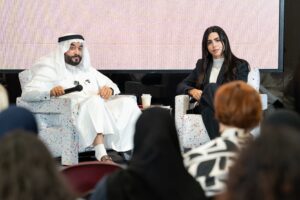
“Pattern Talk” with the artist and historian Mohammed Ali Abel explored the history, geometry and cultural significance of Gulf ornament as part of the “Qatar in Patterns” exhibition.
Doha, Qatar; September 28, 2026: Doha Design District, powered by Msheireb Properties, hosted “Pattern Talk,” a special edition of its monthly Design Talks programme, bringing together design practitioners, researchers and the wider community for an engaging conversation on the relationship between pattern, architecture, heritage and contemporary design in Qatar.
Held at Sada in Doha Design District, the talk complemented the “Qatar in Patterns” exhibition, which showcases 15 patterns developed by Msheireb Properties for Msheireb Downtown Doha, and inspired by Qatari heritage and the architectural language of Qatar and the wider Gulf. The exhibition runs until 15 October at Sada, Doha Design District headquarters in Msheireb Downtown Doha, welcoming visitors from Sunday to Thursday, 10:00 AM to 10:00 PM.
The session featured architect and heritage specialist Mohammed Ali Abel, whose work has contributed to the preservation and interpretation of Qatar’s architectural heritage, including the restoration of Souq Waqif and the design of the Lusail Fort door. His practice reflects a longstanding engagement with the architectural language of Qatar and the Gulf.
During the talk, Abel examined Gulf ornament as more than decoration, highlighting its connections to place, identity, architecture and cultural memory. He also explored how traditional patterns have evolved across the region, the principles behind their geometry, and the ways in which this visual language can continue to inform contemporary creative practice.
By placing Qatar’s visual heritage in dialogue with contemporary design, “Pattern Talk” invited audiences to reflect on how inherited forms can remain relevant to designers, architects and future generations while supporting the development of Qatar’s evolving design identity.
Dana Kazic, Director of Doha Design District, said: “At Doha Design District, we believe that shaping the future of design begins with understanding where we come from. Our heritage is a powerful source of knowledge, inspiration and identity, while contemporary design gives us the opportunity to reinterpret it for new generations. Through Qatar in Patterns and our Design Talks programme, we aim to preserve, celebrate and share the cultural references that continue to shape Qatar’s creative future.”
Alongside the exhibition and talk, Doha Design District also launched The Msheireb Pattern Collection e-book, a comprehensive guide to modern Qatari ornamentation that bridges tradition, craft and contemporary architecture. From the intricate geometry of Sadu embroidery to the fluid lines of desert flora and Kufic calligraphy, the e-book presents the design framework behind the built environment of Msheireb Downtown Doha, and serves as a reference for students, researchers, architects and design enthusiasts interested in Qatar’s architectural language. It is available online at https://www.ddd.com.qa/.
The Design Talks programme reflects Doha Design District’s broader role as a platform for Qatar’s growing design community. Through exhibitions, talks, installations, workshops, pop-ups and public programmes, the District creates opportunities for designers and audiences to exchange ideas, share knowledge and explore the connections between design and other disciplines.
At the heart of the District’s vision is a commitment to making design more accessible, visible and relevant to the wider community. By bringing designers, architects, artists, academics, students and audiences together, Doha Design District fosters a space where ideas can be exchanged, disciplines can intersect and conversations around the future of design in Qatar can take shape.
As Qatar’s creative and design ecosystem continues to grow, Doha Design District remains committed to supporting conversations that connect heritage with innovation, local perspectives with international exchange, and established practitioners with emerging talent. Through these initiatives, the District contributes to a design culture rooted in Qatar’s identity while remaining open to new ideas, disciplines and possibilities.