January 07, 2026
تازہ ترین / Latest


rki.news
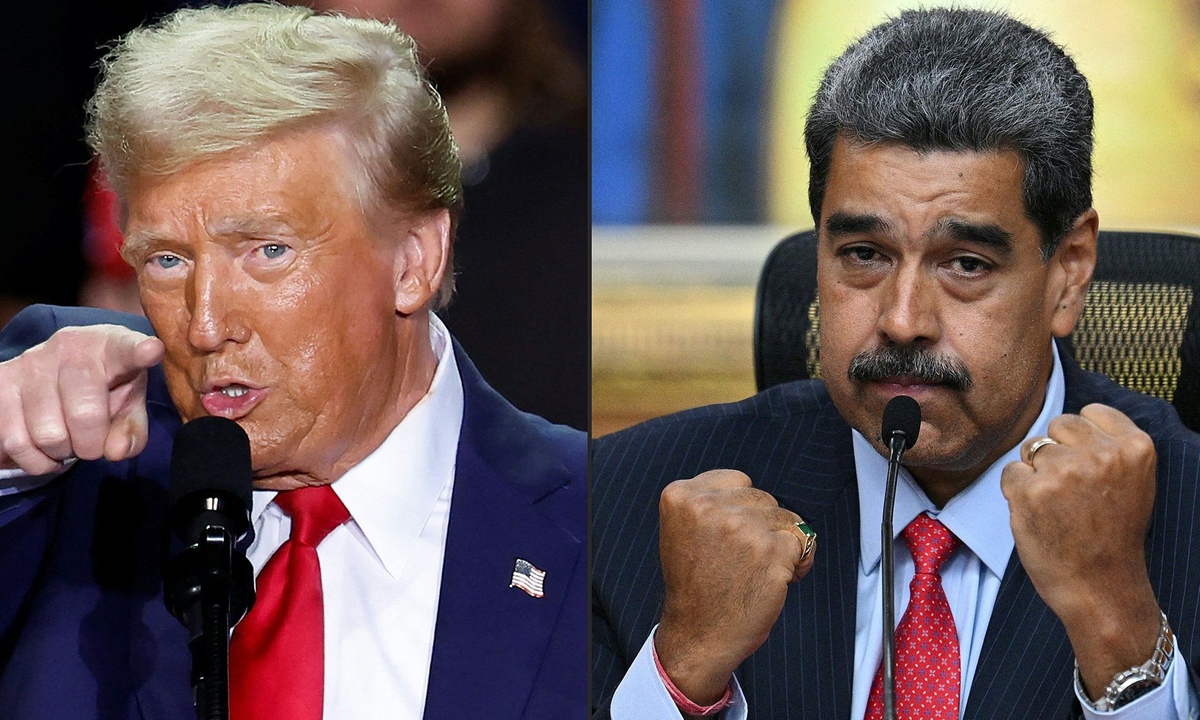
The sudden removal of Venezuelan President Nicolas Maduro following a US-led operation has triggered a major political shift, sending shockwaves across Latin America and beyond. The development marks one of the most consequential foreign policy actions of US President Donald Trump’s current term and raises serious questions about sovereignty, stability, and regional order.
First, the operation underscores Washington’s readiness to use decisive force to influence political outcomes in the Western Hemisphere, signaling a departure from prolonged diplomatic pressure and a more assertive approach toward governments it considers hostile.
Second, the transfer of authority inside Venezuela highlights the fragility of state institutions under prolonged economic and political strain. The rapid appointment of interim leadership reflects efforts to preserve governance continuity as uncertainty grips the country.
Third, the episode has intensified global debate over international law and military intervention. Critics argue the action sets a dangerous precedent, while supporters contend it was necessary to prevent deeper instability and humanitarian decline.
Fourth, the crisis has renewed international focus on Venezuela’s vast energy resources. Control, management, and future investment in the oil sector are expected to become central issues during any political transition.
Finally, the unfolding situation carries significant regional implications. Neighboring countries are closely monitoring developments, concerned about spillover effects ranging from migration pressures to security challenges.
As events continue to evolve, Venezuela faces a defining moment. The coming weeks will determine whether the country moves toward stability or enters prolonged political uncertainty, with consequences extending far beyond its borders.
At 'Your World in Words,' we share stories from all over the world to make friends, spread good news, and help everyone understand each other better.
© 2026
Rahbar International