July 27, 2026


rki.news
Waseem Hassan, Laiba Malik, Fakiha Fatima, Emaan Afzal
Department of Soil and Environmental Sciences, Muhammad Nawaz Shareef University of Agriculture, Multan
Multan, a significant city in Pakistan’s Punjab province, is undergoing notable climatic changes, including shorter winters and decreasing rainfall. These shifts have serious implications for agriculture, water resources, and the livelihoods of its inhabitants. This article explores the climatic changes observed in Multan, investigates their possible causes, and discusses the resulting impacts on the region.
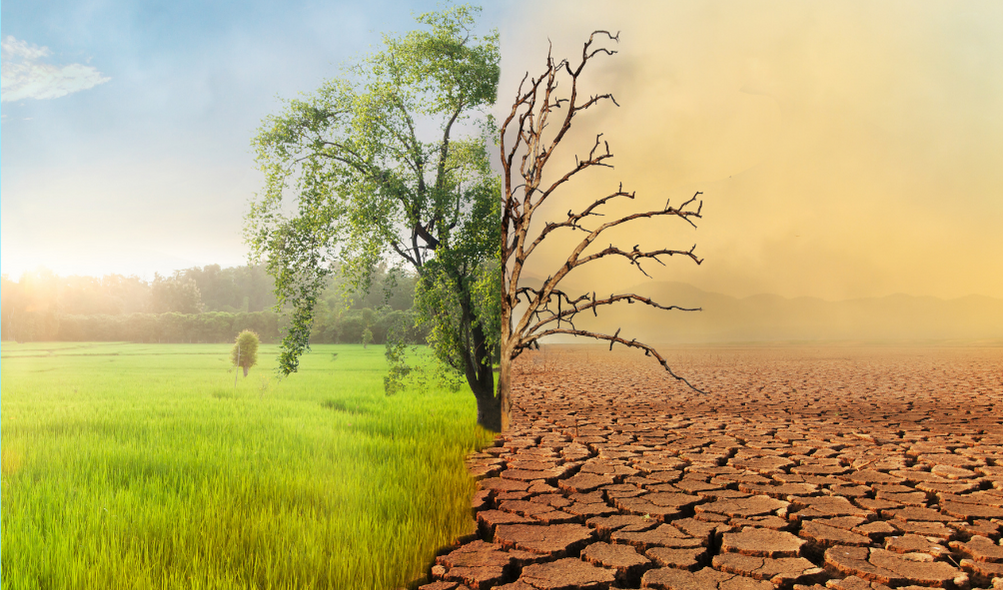
Located in southern Punjab, Multan has historically had a hot desert climate with clear seasonal variations. However, recent observations reveal a considerable shift in these patterns, characterized by shorter winter seasons and lower precipitation levels. Grasping these changes is essential for formulating adaptive strategies to lessen negative effects on agriculture and water resources. This summer was no exception. Unusually high temperatures began in May. In the Pacific Northwest, a record-breaking heat wave hit in late June, arriving much earlier than usual for the area. On June 28, Seattle reached 108 degrees, while Portland hit 116 degrees. Research indicates that summers are lengthening, while spring, autumn, and winter are becoming shorter and warmer, significantly affecting both people and the environment. All seasons have seen warmer temperatures. The most pronounced changes in seasonal length have been observed around the Mediterranean and the Tibetan Plateau. As warmer temperatures persist longer throughout the year, extreme weather events, including heat waves, droughts, and wildfires, are expected to rise. The highest average temperature recorded in summer is in June at 46 °C (115 °F), while the lowest occurs in September at 24.9 °C (76.8 °F). A record-breaking high of 51 °C (124 °F) was noted on May 27, 2010.
Key points about future weather in Multan include:
Higher average temperatures: Summers in Multan are already extremely hot, but climate models suggest a further rise in average summer temperatures, potentially resulting in more days exceeding 40°C.
Observations of Climatic Changes
1. Shortening Winters: Data from the Pakistan Meteorological Department indicates a trend of rising temperatures during the winter months. This warming has resulted in a noticeable decrease in both the duration and intensity of the winter season in Multan. Such changes align with broader patterns seen across Punjab, where winters are becoming shorter and temperatures are rising earlier in the year.
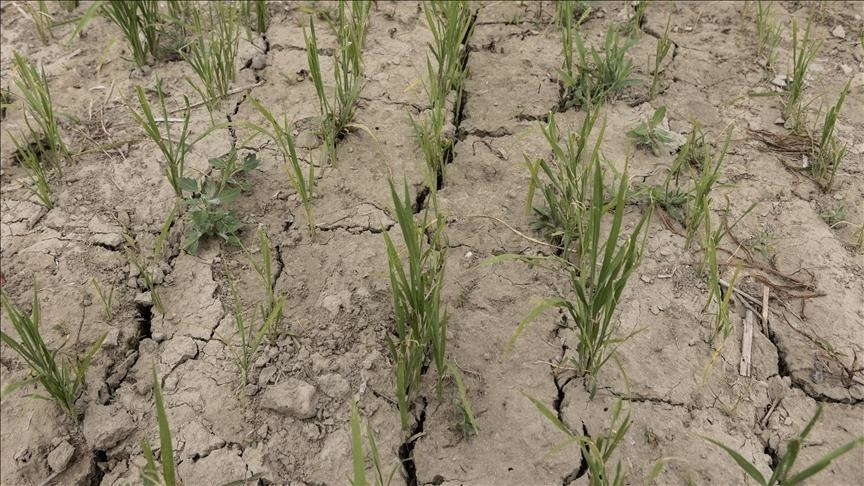
2. Declining Rainfall: Multan has historically experienced low average annual precipitation, typical of its desert climate. In recent years, there has been a further decline in rainfall, especially during the winter months. This decrease in precipitation worsens water scarcity and creates challenges for agricultural activities that depend on a reliable water supply.
Potential Causes
The climatic changes observed in Multan can be linked to several interconnected factors:
Global Climate Change: The rise in greenhouse gas emissions has contributed to global warming, leading to altered weather patterns around the world. In Multan, this is evident through increased temperatures and disrupted precipitation cycles.
Regional Environmental Changes: Deforestation, urbanization, and shifts in land use in the area have significantly altered the local climate. These changes can exacerbate the urban heat island effect, resulting in elevated temperatures and modified rainfall patterns.
Impacts on Agriculture and Water Resources
The climatic changes in Multan have various consequences:
Agricultural Challenges: Milder winters and less rainfall impact the growth of essential crops like wheat, which depend on certain climatic conditions. Changes in growing seasons and heightened heat stress may lead to lower yields and pose risks to food security.
Water Scarcity: Declining rainfall contributes to the depletion of surface and groundwater resources. This scarcity impacts not only agriculture but also domestic and industrial water usage, necessitating the implementation of efficient water management practices.
La Niña results in cooler-than-average ocean temperatures in the central and eastern Pacific, which can lead to:
1. Hotter, drier summers in areas such as the southern U.S. and Australia, caused by reduced rainfall and heightened heat.
2. Less rainfall in regions like California, Texas, and parts of South America (for instance, Peru and Ecuador), resulting in drought conditions.
3. Warmer, shorter winters in northern areas (like the northern U.S. and Canada), as the jet stream shifts and prevents cold air from moving south.
El Niño, which is the opposite of La Niña, also brings about:
1. Increased summer heat and drought in regions like the southwestern U.S.
2. Warmer and shorter winters across North America and Europe due to changing atmospheric patterns.
3. Both La Niña and El Niño have a significant impact on global weather, leading to more extreme temperature and precipitation patterns.
4. El Niño and La Niña are phases of the El Niño-Southern Oscillation (ENSO) that significantly influence global weather patterns, including those in Pakistan. In Multan, located in southern Punjab, these phenomena can impact weather conditions in various ways.
El Niño Effects:
Reduced Monsoon Rainfall: El Niño events often lead to below-average or delayed monsoon rains in Pakistan, resulting in drier conditions. This reduction in rainfall can negatively impact agriculture and water resources in areas like Multan.
Increased Temperatures: The reduced cloud cover and precipitation during El Niño can lead to higher temperatures, intensifying heat waves and posing health risks, particularly in urban settings.
La Niña Effects:
Enhanced Monsoon Activity: In contrast, La Niña events are linked to stronger monsoon systems, resulting in above-average rainfall. This can increase the risk of flooding in regions such as Multan.
Extended Winter Seasons: La Niña can also lead to longer winter seasons, with cooler temperatures lasting until mid-March, which can affect agriculture and daily life.
It’s essential to recognize that the effects of El Niño and La Niña can differ based on the intensity and timing of each event. Local geography and atmospheric conditions also influence the specific impacts on Multan’s weather. As of February 2025, Multan is experiencing partly cloudy skies with temperatures around 77°F (25°C). The forecast for the upcoming week suggests mostly sunny weather with temperatures ranging from 76°F to 85°F (24°C to 29°C). Staying updated through local weather reports and understanding ENSO patterns can assist residents in anticipating and preparing for potential weather-related challenges.
Conclusion
The evidence of shorter winters and declining rainfall in Multan underscores the pressing need for comprehensive strategies to address the challenges posed by climate change. Mitigation efforts, including reforestation, sustainable urban planning, and the adoption of climate-resilient agricultural practices, are essential to safeguard the region’s environmental and economic well-being
At 'Your World in Words,' we share stories from all over the world to make friends, spread good news, and help everyone understand each other better.
© 2026
Rahbar International