August 26, 2026
تازہ ترین / Latest





rki.news
Agriculture has always been the backbone of Pakistan’s economy, supporting millions of livelihoods and contributing significantly to GDP. However, traditional farming techniques face increasing challenges due to climate change, water scarcity, and soil degradation. Smart farming an innovative approach that integrates modern agriculture technology to optimize yields, reduce costs and ensure sustainable farming practices.
The global smart agriculture market is expected to grow from $15 billion in 2022 to $33 billion by 2027, showcasing the massive potential of digital farming. Pakistan, with its rich agricultural heritage, stands at the cusp of an agricultural revolution, where smart agriculture technologies can reshape farming for a better and more sustainable future.
What is Smart Agriculture?
Smart agriculture also known as digital agriculture, refers to the use of AI in farming, precision agriculture, smart farming systems and climate-smart agriculture practices to enhance efficiency and productivity. It involves leveraging IoT devices, data analytics, robotics, and connectivity technologies to make informed farming decisions. Instead of relying on guesswork or outdated methods, smart farming technologies use real-time data to optimize irrigation, soil health, pest control, and weather prediction. Did you know? Smart irrigation can reduce water use by up to 60%, saving millions of liters annually while boosting crop health.
How Technology is Transforming Smart Farming
The integration of agriculture technology into traditional farming methods has given rise to a modern agriculture system that is more efficient and sustainable.
1. Precision Agriculture & IoT Sensors
Precision agriculture uses smart sensors to track soil health, water levels and weather conditions. These sensors send real-time data to farmers, allowing them to adjust irrigation, fertilizers, and pest control methods accordingly.
2. Robotics & AI in Farming
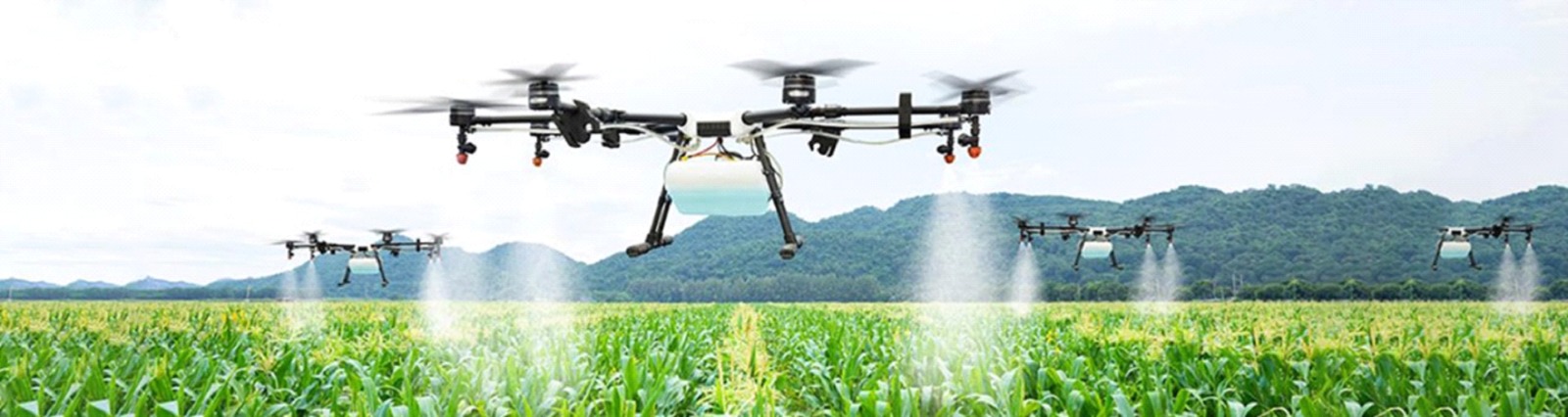
Modern farming and technologies, including AI-powered drones and robotic tractors, helps automate labor-intensive tasks like planting, weeding, and harvesting. AI also aids in crop health monitoring, enabling early detection of diseases and pest infestations.
3. Smart Irrigation & Water Management
Pakistan’s water crisis makes smart irrigation systems crucial. Digital agriculture solutions, like drip irrigation and AI-driven water distribution, ensure that crops receive the right amount of water without waste.
4. Climate Smart Agriculture Practices
With the impact of climate change on agriculture becoming more severe, farmers need climate-smart agriculture solutions to withstand unpredictable weather. Climate risk assessment tools help analyze data and predict droughts, floods, and extreme temperatures, allowing farmers to adapt before disaster strikes.
Did you know? Using drones and IoT sensors in farming can increase crop yields by 10-15%, helping farmers grow more with less.
Recent Impact of Smart Farming Technologies
Recent studies show that smart agriculture can reduce irrigation water use by up to 60% and cut agricultural input costs by nearly 30%, directly boosting farmers’ profits. Crop yields have been reported to increase by 10-15% when precision farming and IoT sensors are used. Globally, the smart agriculture market is growing rapidly, expected to reach over $55 billion by 2032, reflecting the rising adoption of these technologies. In Pakistan, adopting smart farming could mean better resource use, higher productivity, and stronger resilience against climate challenges, making it a game-changer for the country farmers.
National Push for Smart Agriculture in Pakistan
In Pakistan, there is now a visible push from the government and international partners to turn smart agriculture into a nationwide reality. Through collaboration with the Food and Agriculture Organization (FAO), the Ministry of National Food Security and Research has launched initiatives like the Digital Agriculture Consortium (DAC) to connect farmers, agri-tech companies, service providers, and banks on a shared digital agriculture platform. These programs are focused on climate-smart agriculture, better water management and smart irrigation systems, especially in climate-vulnerable regions such as Balochistan and Sindh, where projects are improving traditional irrigation and introducing smart farming solutions. This growing ecosystem of smart agriculture technology, policy support, and private-sector innovation shows that modern agriculture in Pakistan is steadily moving toward more resilient and technology-driven smart farming systems.
The Future of Agriculture: What’s Next
As Pakistan moves towards a technology-driven agricultural future smart agriculture technology will play a key role in ensuring food security, economic stability and sustainability. The integration of AI in farming, precision agriculture and climate-smart agriculture practices will help farmers navigate modern challenges.
Governments, agriculture companies, and tech startups must work together to make modern farming accessible to all. With the right strategies, Pakistan’s agricultural sector can become a global leader in sustainable farming practices.
Smart farming is not just a trend it is the future of agriculture. By embracing digital agriculture, modern farming techniques, and smart agriculture systems, Pakistan can unlock higher productivity, resource efficiency, and sustainability.
Agriculture solutions like AI-driven analytics, IoT-based monitoring, and smart irrigation are already making a difference. With increased awareness, government support, and private sector innovation, Pakistan’s farmers can thrive in the era of digital farming.
Let’s build a smarter, more resilient agricultural future for Pakistan one farm at a time!
Muhammad Umair Mubarak
Research Officer-Multan
Agronomy Department
Engro Fertilizers Limited
At 'Your World in Words,' we share stories from all over the world to make friends, spread good news, and help everyone understand each other better.
© 2026
Rahbar International